The most useful greenhouse equipment is not necessarily expensive. A well-planned greenhouse uses benches, shelves, trays, containers, and work areas in ways that improve airflow, drainage, accessibility, and daily efficiency.
When people first set up a greenhouse, they often focus on what they want to grow. That makes sense. But I think many gardeners discover later that the real challenge is not finding plants. It is creating a workspace that makes caring for those plants easier week after week.
A greenhouse filled with plants but lacking organization quickly becomes difficult to manage. Water collects where it should not, tools disappear, and simple jobs take longer than they should. Good equipment choices solve many of those problems before they start.
Takeaways
- Raised growing surfaces improve plant care and reduce physical strain on the gardener.
- Good airflow and drainage are more important than decorative greenhouse furniture.
- A dedicated potting area saves time and simplifies routine tasks.
- Trays help manage excess water and can contribute to greenhouse humidity.
- Reused containers can work well when they are cleaned and prepared properly.
Benches and Shelves Create the Foundation of a Greenhouse
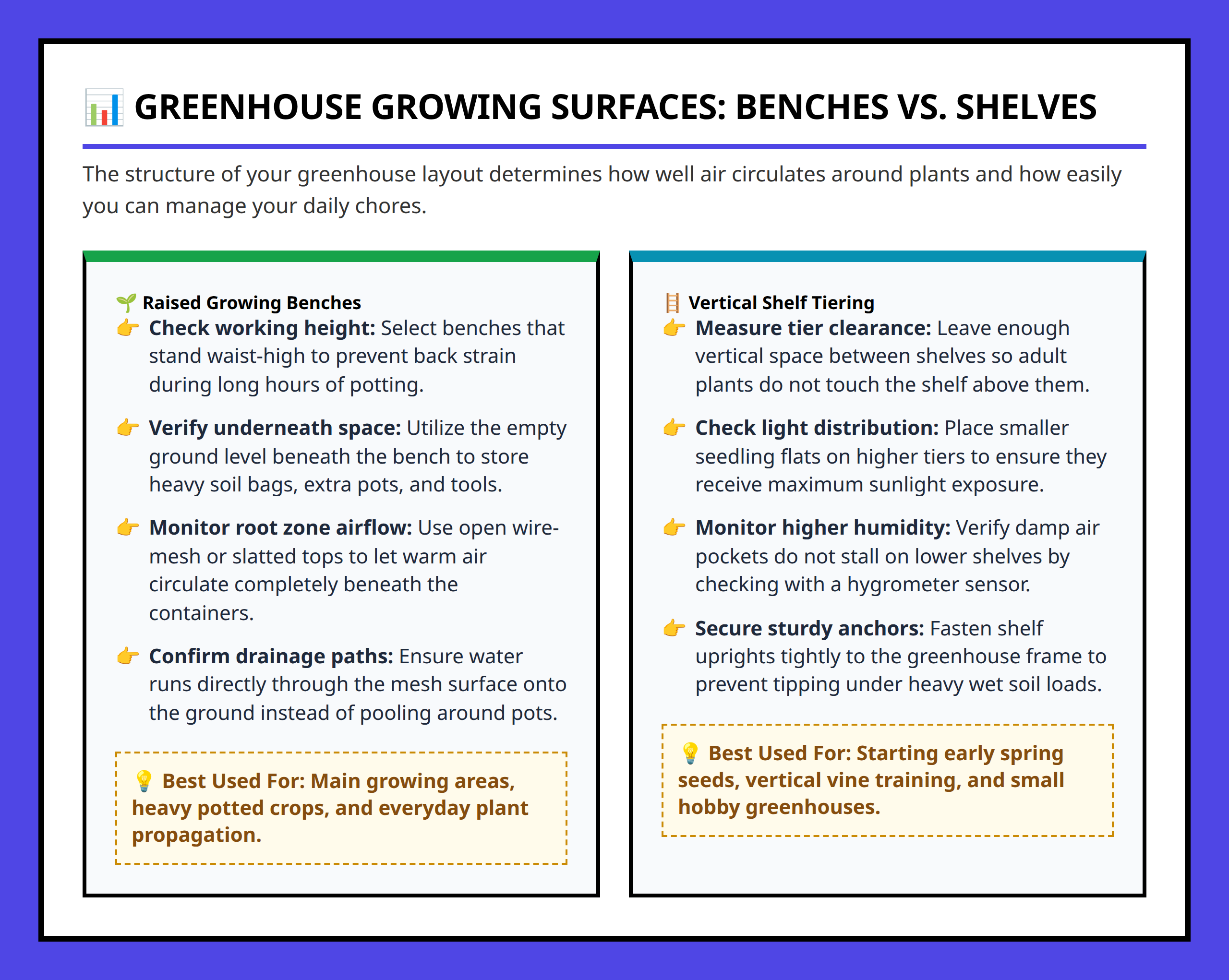
The most practical greenhouse setups keep plants off the floor whenever possible.
Raised benches and shelves provide several advantages. Plants receive better access to light, gardeners can work more comfortably, and air circulates more freely around growing containers. Just as importantly, working at waist level reduces the constant bending that often leads to back fatigue.
Benches are typically free-standing structures supported by legs, while shelves are usually attached directly to greenhouse walls. Both can support plant growth effectively when designed with airflow and drainage in mind.
Another benefit is storage. The space beneath benches often becomes valuable room for storing pots, flats, tools, soil mixes, and other greenhouse supplies. In a small greenhouse, this storage space can make a significant difference.
Many greenhouse benches use wire grating or similar open materials for their tops. This allows water to pass through while encouraging airflow around containers.
Designing an Effective Potting Area
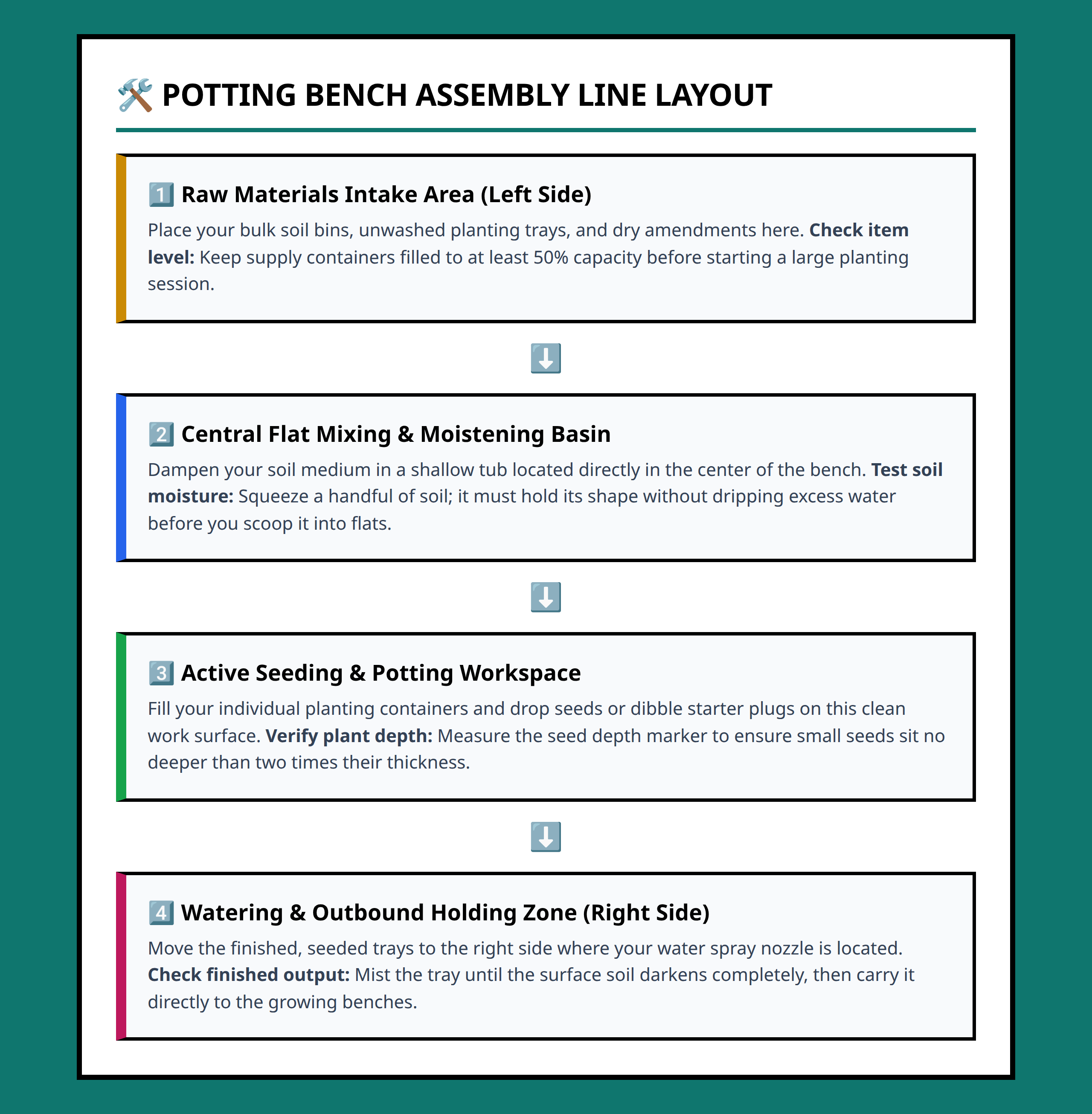
A dedicated potting bench is one of the most useful pieces of greenhouse equipment.
The goal is simple: create a comfortable place where routine tasks can happen efficiently. Potting, transplanting, seed starting, labeling, watering, and organizing supplies all become easier when they happen in a designated workspace.
A practical potting bench should be large enough for active work and positioned at a comfortable height. Ideally, it should allow both standing and seated work. Good lighting is also important because many greenhouse tasks involve handling small seeds or delicate seedlings.
Water access matters as well. A nearby faucet or short hose connection can save countless trips across the greenhouse.
Imagine preparing dozens of vegetable seedlings in spring. Without a dedicated work surface, pots, soil, labels, and tools quickly spread throughout the greenhouse. With a proper potting area, the process becomes organized and far less frustrating.
Why Trays Matter More Than Many Gardeners Expect
Trays are one of the simplest ways to improve greenhouse management.
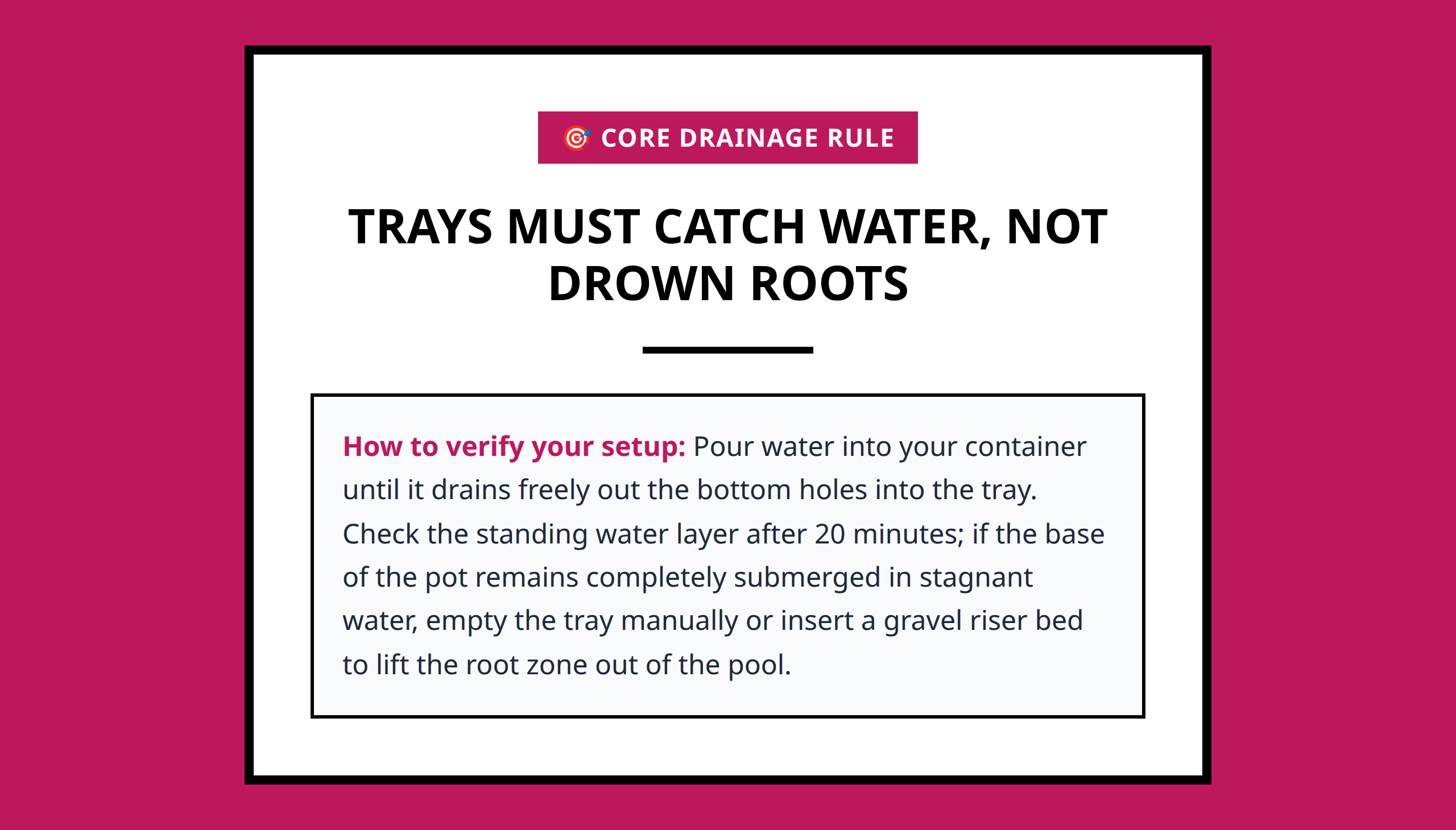
Many greenhouse shelves and benches do not rely on drainage through the structure itself. Instead, trays collect excess water that drains from pots and flats.
This arrangement offers several benefits. Water no longer sits directly on shelves, reducing moisture damage. Excess moisture can gradually evaporate from tray surfaces, contributing to greenhouse humidity. Plants also avoid sitting directly in standing water around their roots.
Large trays are especially useful beneath groups of containers because they simplify cleanup and watering management. Rather than dealing with dozens of separate runoff points, the greenhouse owner manages water in a controlled area.
The practical lesson is that drainage should be planned intentionally rather than left to chance.
Choosing Containers for Different Growing Tasks
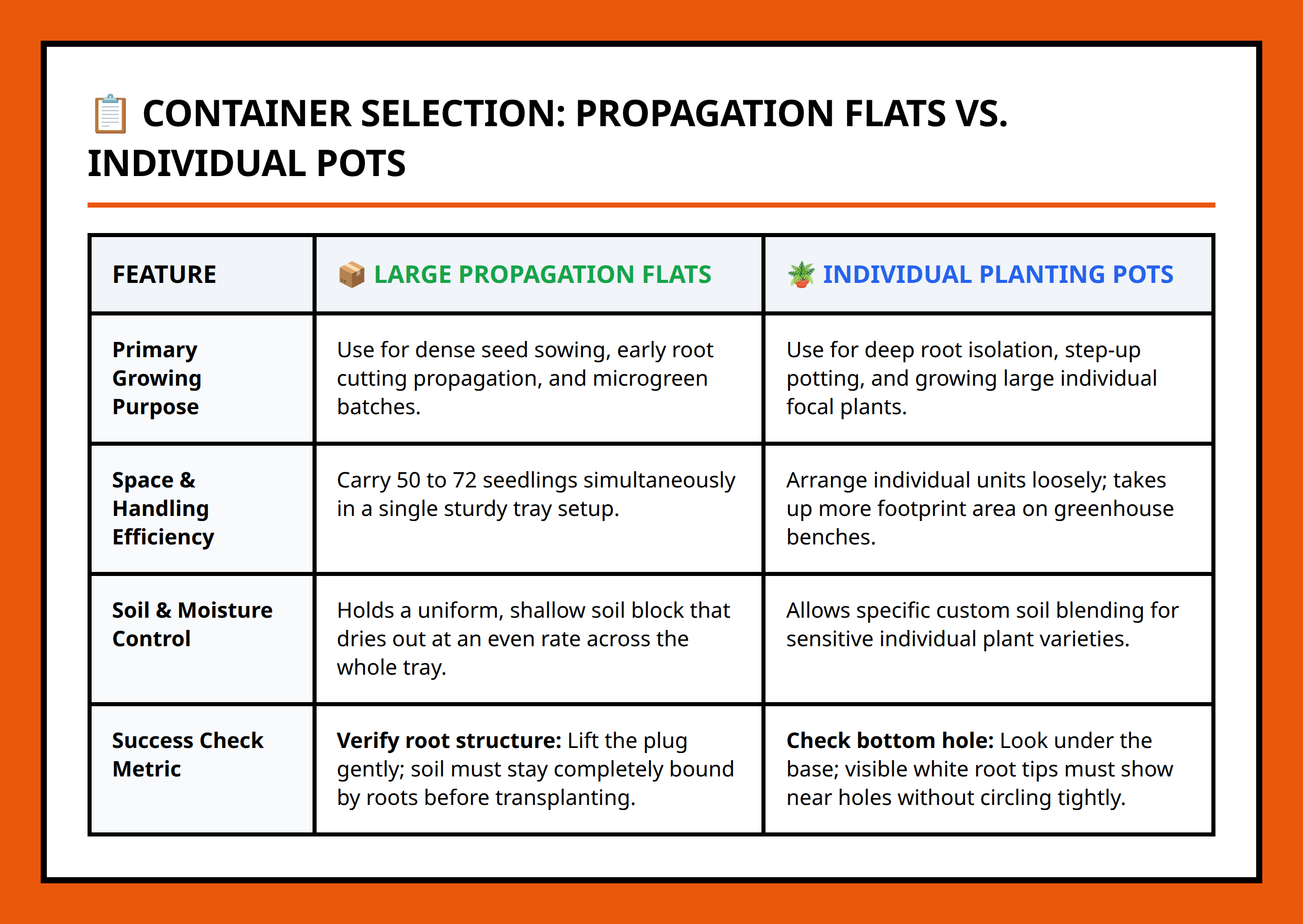
Different containers serve different purposes, and understanding those differences can improve plant growth.
Flats are commonly used for seed starting because they allow many seedlings to grow in a relatively small space. Smaller cells work well for germination, while larger cells provide more room as seedlings develop.
Pots are often used once plants need additional root space. Plastic pots are durable, lightweight, and retain moisture better than clay pots. Clay pots provide a more traditional appearance but generally require more frequent watering.
Some gardeners also reuse containers such as Styrofoam cups, egg cartons, or large plastic buckets. These can work surprisingly well when drainage holes are added and the containers are thoroughly cleaned before use.
The best container is usually the one that provides enough root room, adequate drainage, and easy handling for the stage of growth involved.
Cleaning and Maintaining Greenhouse Containers
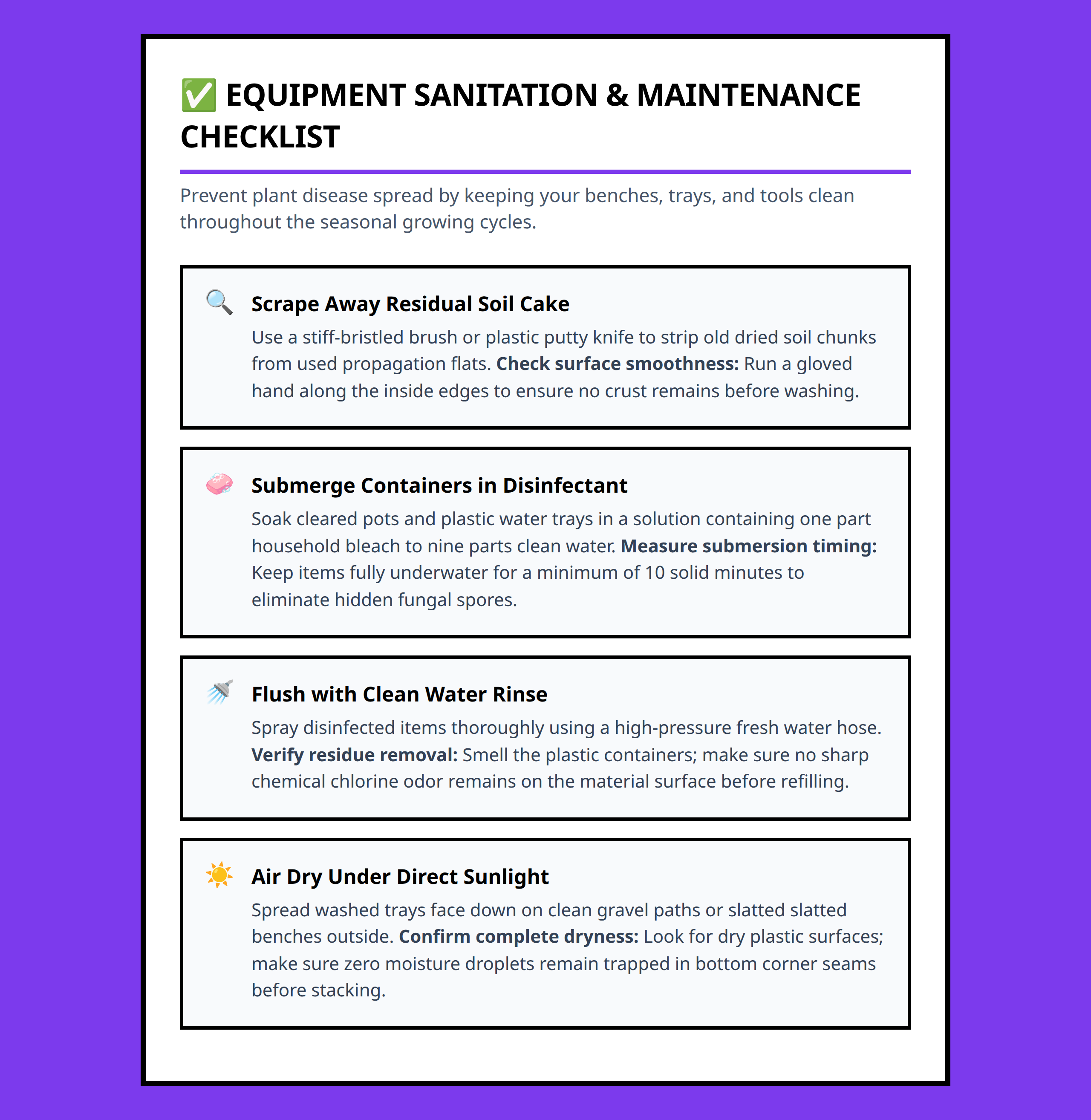
Reusing containers can save money, but only if they are maintained properly.
Old pots and flats often collect soil residue, plant debris, and other material that can interfere with future planting. Before reuse, damaged containers should be discarded and reusable containers should be cleaned thoroughly.
Many gardeners postpone this task because it feels tedious. Yet clean containers help create a more organized greenhouse and reduce problems associated with leftover debris from previous growing cycles.
A useful habit is to clean containers soon after they are emptied rather than allowing them to accumulate into a large seasonal project.
When greenhouse equipment supports good organization, many other gardening tasks become easier automatically.
FAQ
- Bench: A raised growing surface supported by legs and used to hold plants above the greenhouse floor.
- Shelf: A growing surface attached to a greenhouse wall rather than supported by its own legs.
- Potting Bench: A dedicated work area used for planting, transplanting, and other greenhouse tasks.
- Tray: A shallow container placed beneath pots or flats to collect excess water.
- Flat: A container with multiple cells or compartments commonly used for starting seedlings.
- Drainage: The movement of excess water away from plant roots to prevent water-related problems.
If you are deciding where to invest time and money, focus first on workflow. A greenhouse that is easy to work in will usually produce healthier plants than one that simply looks impressive. Before buying another container or shelf, ask yourself one practical question: will this make daily greenhouse work easier or harder?
