Starting seeds in a greenhouse works best when temperature, moisture, airflow, and timing are managed as a system. Healthy seedlings are rarely the result of luck. They come from creating stable conditions and following a consistent process from sowing to transplanting.
Many gardeners focus on the seeds themselves, but I think the environment matters even more. The same seed can produce a strong transplant in one greenhouse and a weak, leggy plant in another simply because the growing conditions are different.
A greenhouse provides an advantage because it creates a protected growing space. Used properly, it allows gardeners to start plants earlier, extend the growing season, and produce transplants that are ready for the garden when outdoor conditions improve.
Takeaways
- Seed starting success depends on managing temperature, moisture, airflow, and timing together.
- Clean containers with proper drainage help prevent many common seedling problems.
- Ventilation is essential because greenhouses can overheat quickly, even during cool weather.
- Different container sizes serve different stages of seedling development.
- A repeatable process usually produces better results than constantly changing methods.
Preparing the Greenhouse Before You Sow Seeds
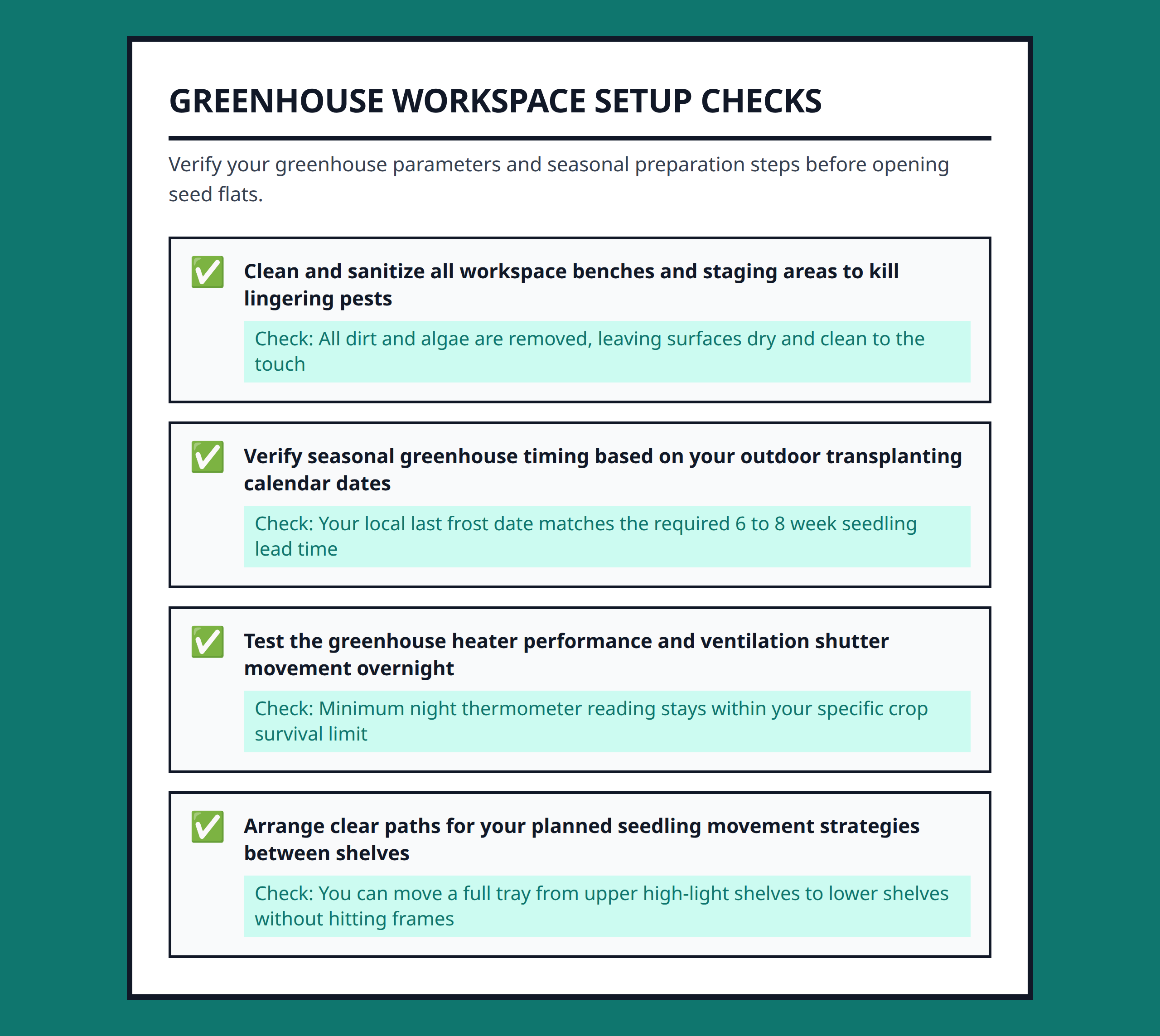
The best time to solve greenhouse problems is before the first seed is planted.
A seed-starting greenhouse should be organized, clean, and ready to support young plants. Benches, shelves, trays, and work surfaces should already be in place so seedlings can be monitored and cared for easily.
Temperature management deserves special attention. Greenhouses help extend the growing season, but they do not automatically create perfect growing conditions. Depending on weather and greenhouse design, temperatures can fluctuate significantly between day and night.
Ventilation is equally important. One of the easiest mistakes for beginners is assuming that cool outdoor temperatures eliminate the risk of overheating. Sunlight can raise greenhouse temperatures surprisingly quickly, creating stress for young seedlings.
Before sowing seeds, make sure there is a plan for air movement, watering, and daily monitoring. A simple routine often prevents many future problems.
Selecting Containers and Starting Seeds
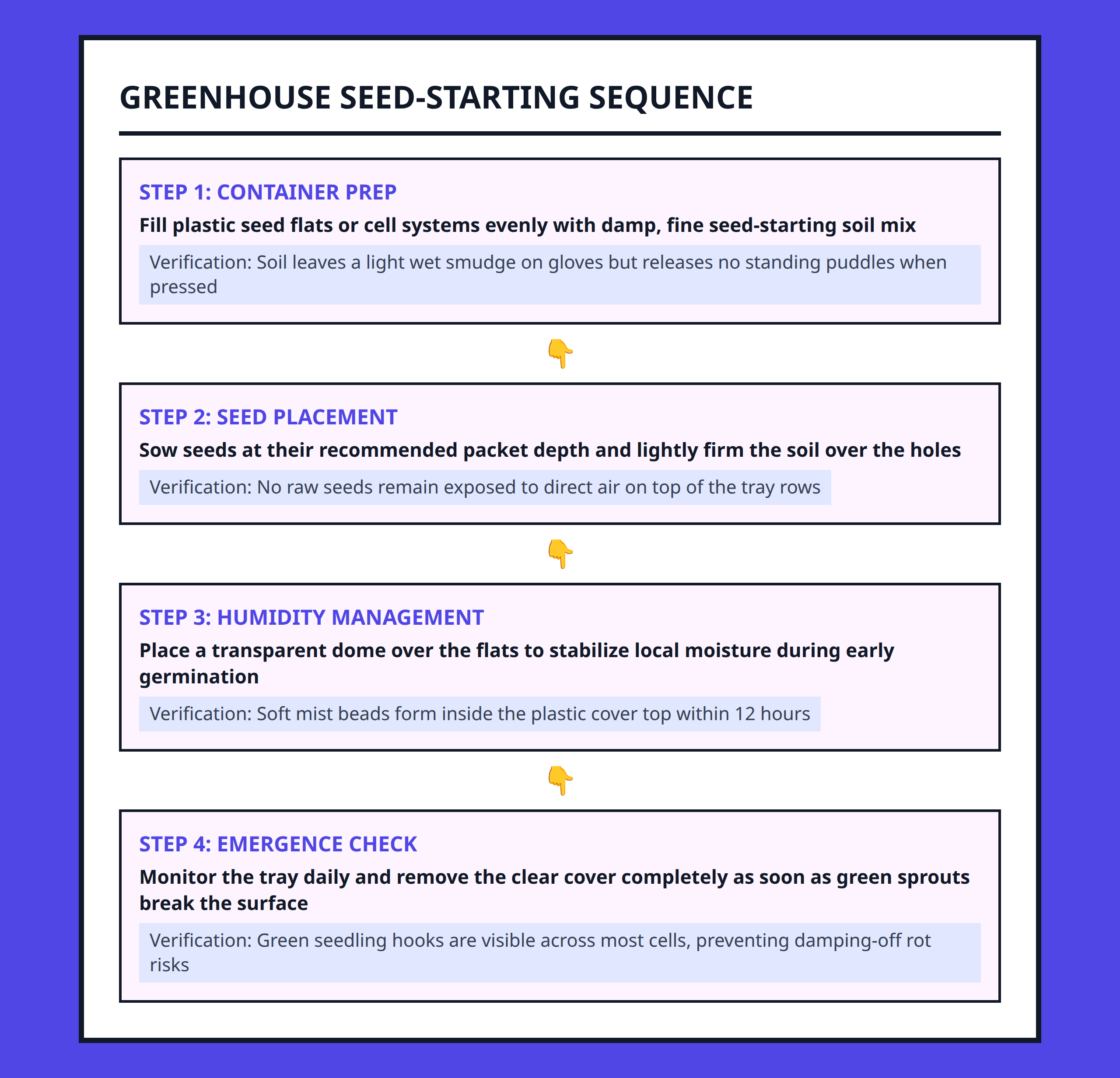
The right container should match the stage of plant development.
Seed flats are commonly used because they allow many seedlings to be started efficiently within a small area. Cell systems help separate developing roots and make transplanting easier later.
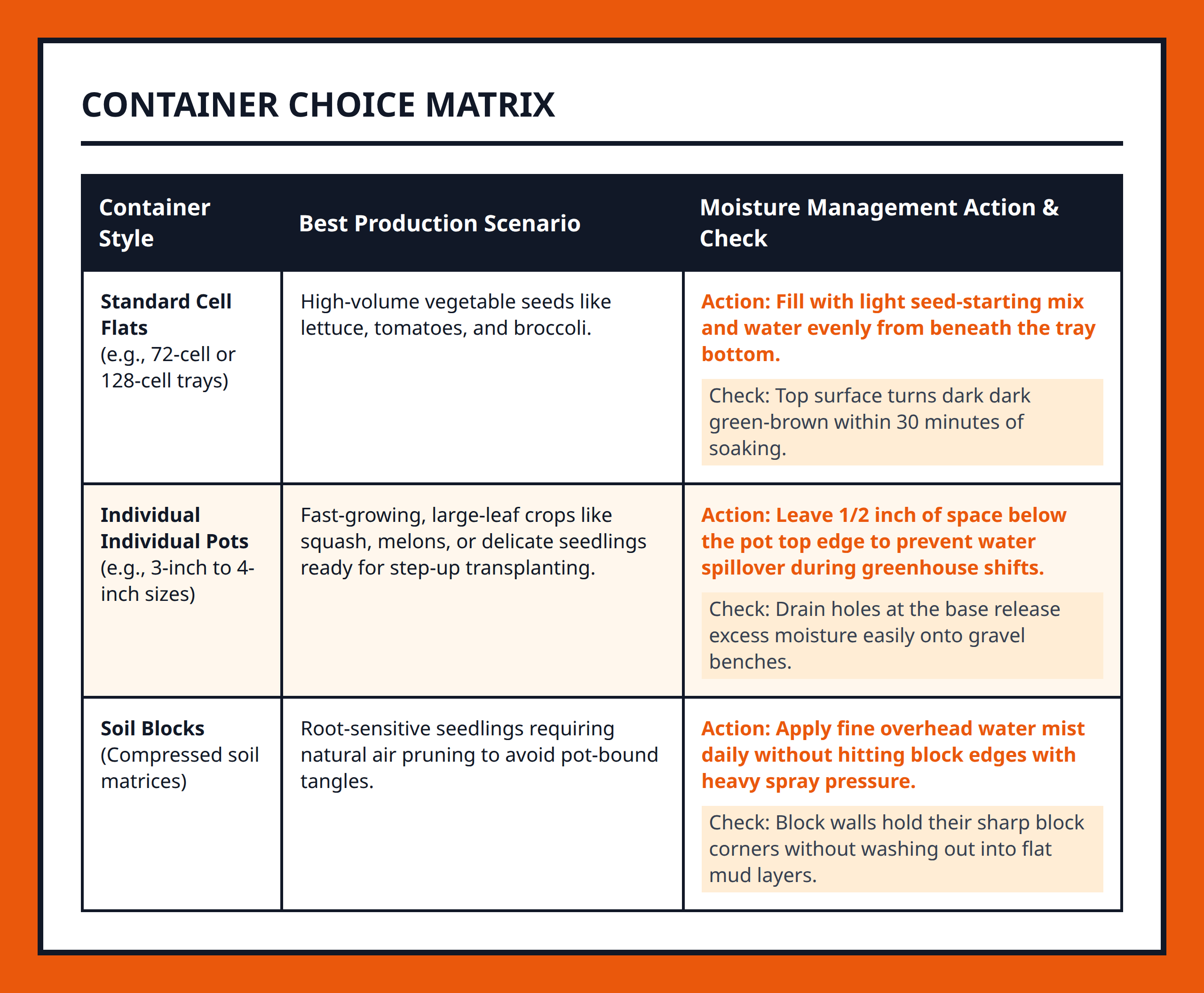
As seedlings grow, larger containers may be needed to provide additional root space. Pots with adequate drainage are especially important because excess moisture can create unhealthy growing conditions.
| Container Type | Best Use | Main Advantage |
|---|---|---|
| Seed Flat | Starting many seeds | Efficient use of space |
| Cell Tray | Developing seedlings | Root separation |
| Pot | Growing larger transplants | Additional root room |
Moisture management begins immediately after sowing. Seeds require consistent moisture for germination, but overly wet conditions can create problems. Containers should allow water to drain freely while still retaining enough moisture to support growth.
An illustrative example is a gardener who waters heavily every day because the soil surface looks dry. Meanwhile, the lower portion of the container remains saturated. The seedlings appear weak, not because of insufficient water, but because they have received too much.
Managing Temperature, Moisture, and Airflow
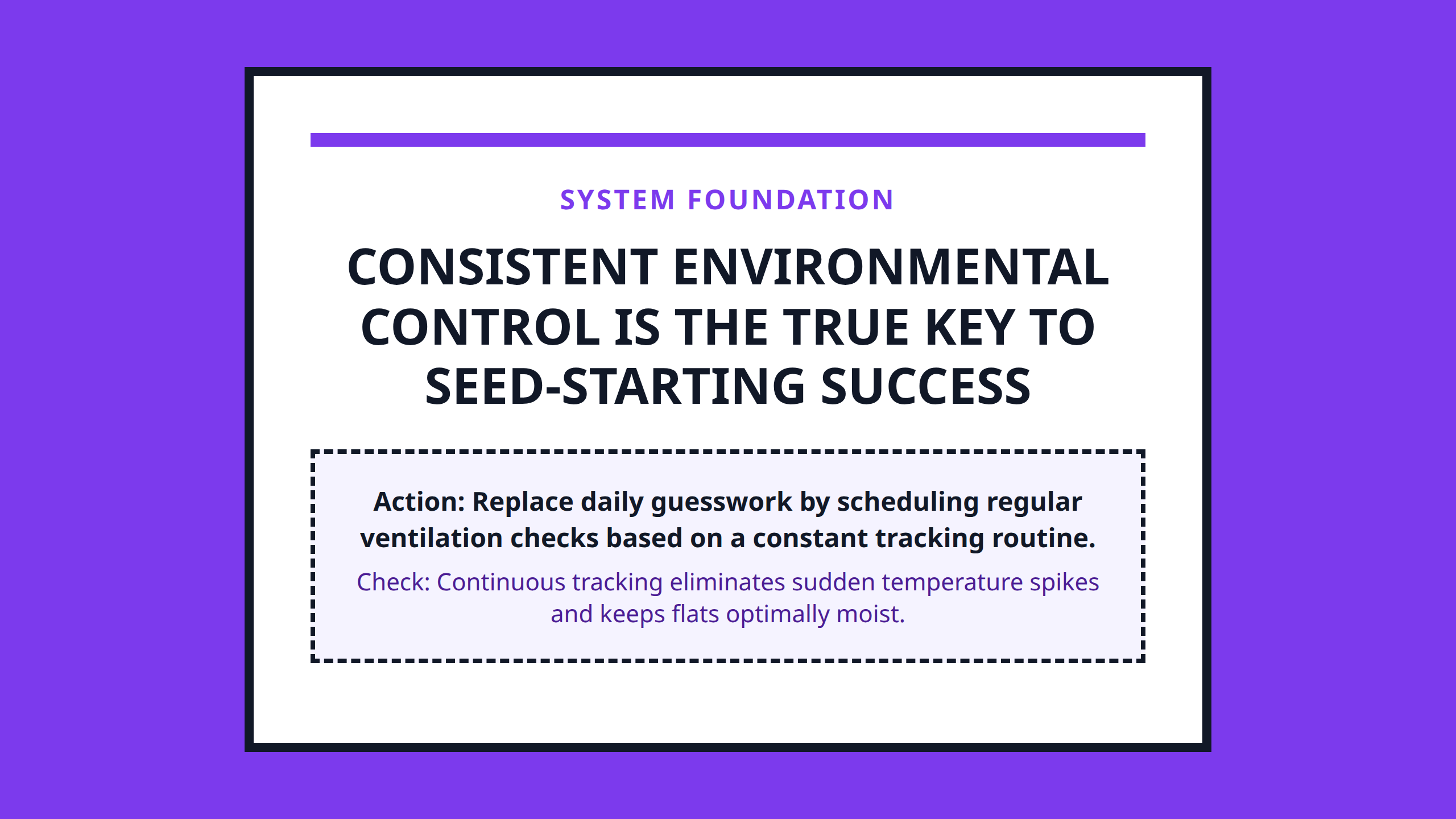
Strong seedlings are produced through environmental control rather than constant intervention.
Once seeds germinate, greenhouse conditions should encourage steady growth rather than rapid, weak growth. Consistent temperatures, adequate airflow, and balanced moisture levels help seedlings develop stronger stems and healthier root systems.
Air circulation becomes increasingly important as plants grow closer together. Crowded seedlings can trap moisture around leaves and reduce airflow throughout the growing area.
Watering should remain consistent but not excessive. Trays beneath containers can help manage drainage while also simplifying greenhouse maintenance.
Many greenhouse challenges can be traced back to environmental extremes rather than seed quality. Small adjustments made early are usually easier than correcting major problems later.
Avoiding Common Seedling Problems
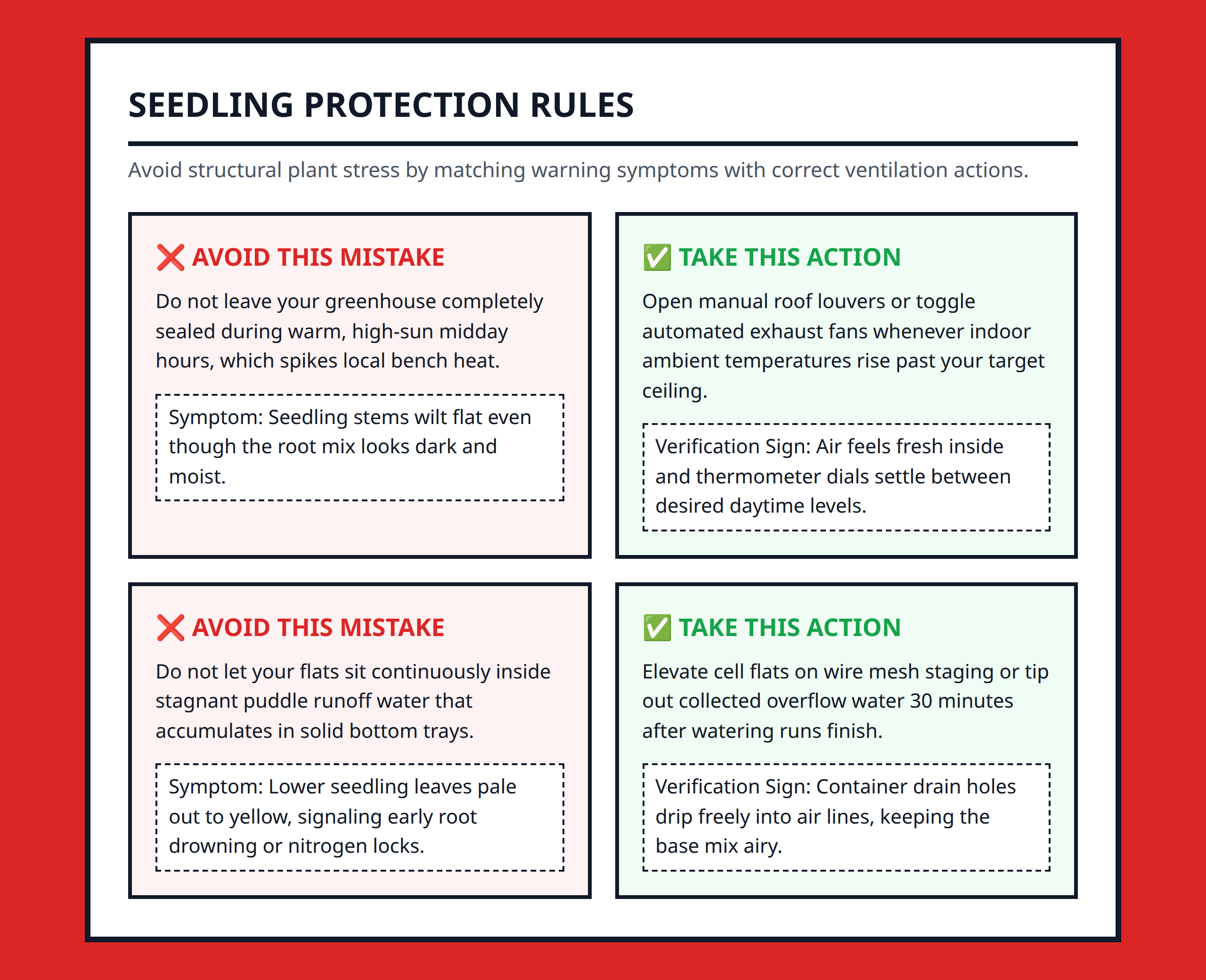
The most common seedling problems often begin with conditions that are slightly out of balance.
Overheating can occur quickly inside a greenhouse. Even when outside temperatures seem comfortable, sunlight can create conditions that stress young plants. Regular ventilation helps prevent this issue.
Poor drainage is another frequent problem. Containers that retain too much water can interfere with healthy root development. Good drainage and appropriate watering practices work together.
Weak transplants often result from inconsistent growing conditions. Seedlings that experience repeated stress may survive but perform poorly after transplanting.
A useful habit is to observe seedlings every day rather than reacting only when visible problems appear. Small changes in leaf color, growth rate, or moisture levels often provide early warning signs.
Knowing When Seedlings Are Ready for Transplanting
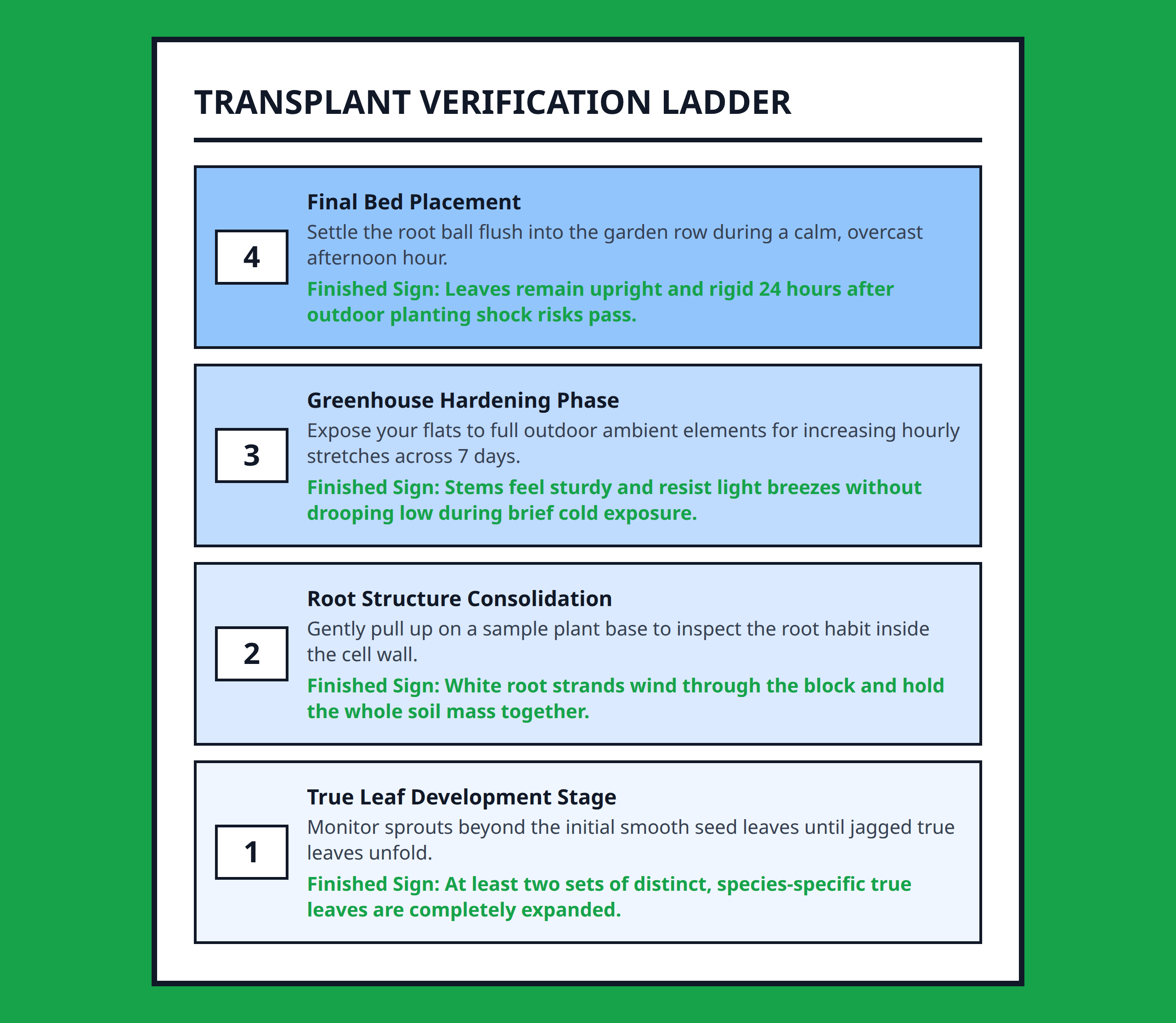
Moving seedlings outdoors too early can undo weeks of careful work.
Healthy transplants should be sufficiently developed before leaving the protected greenhouse environment. They should have established roots, steady growth, and the ability to handle changing outdoor conditions.
The transition should happen gradually whenever possible. Plants that move directly from protected greenhouse conditions to outdoor weather may experience unnecessary stress.
The goal is not simply to grow seedlings. The goal is to produce vigorous young plants that continue growing successfully after transplanting.
FAQ
- Seed Flat: A shallow container used to start multiple seeds in a compact space.
- Cell Tray: A tray divided into separate compartments that allow individual seedlings to develop their own root systems.
- Transplant: A young plant moved from its starting container to a larger growing location.
- Ventilation: The movement of air through a greenhouse to help regulate temperature and moisture.
- Drainage: The ability of excess water to leave a container so roots do not remain overly wet.
- Growing Season Extension: Using a greenhouse to start plants earlier or continue growing later than normal outdoor conditions allow.
Reliable seed starting is less about finding a perfect technique and more about creating stable conditions. If you want better results next season, write down your watering routine, temperature observations, and transplant timing. A simple system you can repeat is often more valuable than any single gardening trick.
References:
- https://www.youtube.com/watch?v=_vcejjAOI4M
- https://www.youtube.com/watch?v=UC60e7sEhR8
- https://www.youtube.com/watch?v=V6HiaVpDRcY
- https://www.youtube.com/watch?v=WSWQKDk_nFY
- https://www.gardeningknowhow.com/special/greenhouses/greenhouse-seed-starting.htm
- https://theeverydaygreenhouse.com/seed-starting/
- https://homesteadandchill.com/seed-starting-101/
- https://www.groworganic.com/blogs/articles/starting-seeds-in-a-cold-frame-or-greenhouse-a-comprehensive-guide
- https://www.umass.edu/agriculture-food-environment/greenhouse-floriculture/fact-sheets/starting-seeds-in-greenhouses
- https://canopia.com/tips-and-ideas/starting-from-seed-in-a-greenhouse/
- https://www.greenhousestores.co.uk/blog/how-to-grow-seeds-in-a-greenhouse/
- https://thecottagepeach.com/blog/seed-starting-greenhouse-hometown-structures
- https://extension.wvu.edu/lawn-gardening-pests/news/2021/02/01/germinating-seeds
