Starting seeds at home does not require expensive propagation systems. Most successful seedlings come from simple containers, balanced moisture, homemade seed-raising mix, and careful timing rather than specialized gardening equipment.
I think beginner gardeners often assume seed-starting is technical because garden centers sell heated trays, grow lights, propagation domes, and complicated starter kits. That can make growing from seed feel more expensive than it really is.
What changed my perspective was noticing how many reliable propagation methods depend on basic household materials and simple environmental control instead of advanced tools.
Once moisture, drainage, airflow, and timing start working together, seedlings usually become far easier to manage.
Takeaways
- Repurposed household containers often work well for seed starting.
- Seed-raising mix should stay light and drain freely.
- Overwatering damages more seedlings than underwatering.
- Young seedlings need gradual feeding rather than heavy fertilizer.
- Transplant timing matters as much as germination success.
Cheap Containers Often Work Better Than People Expect
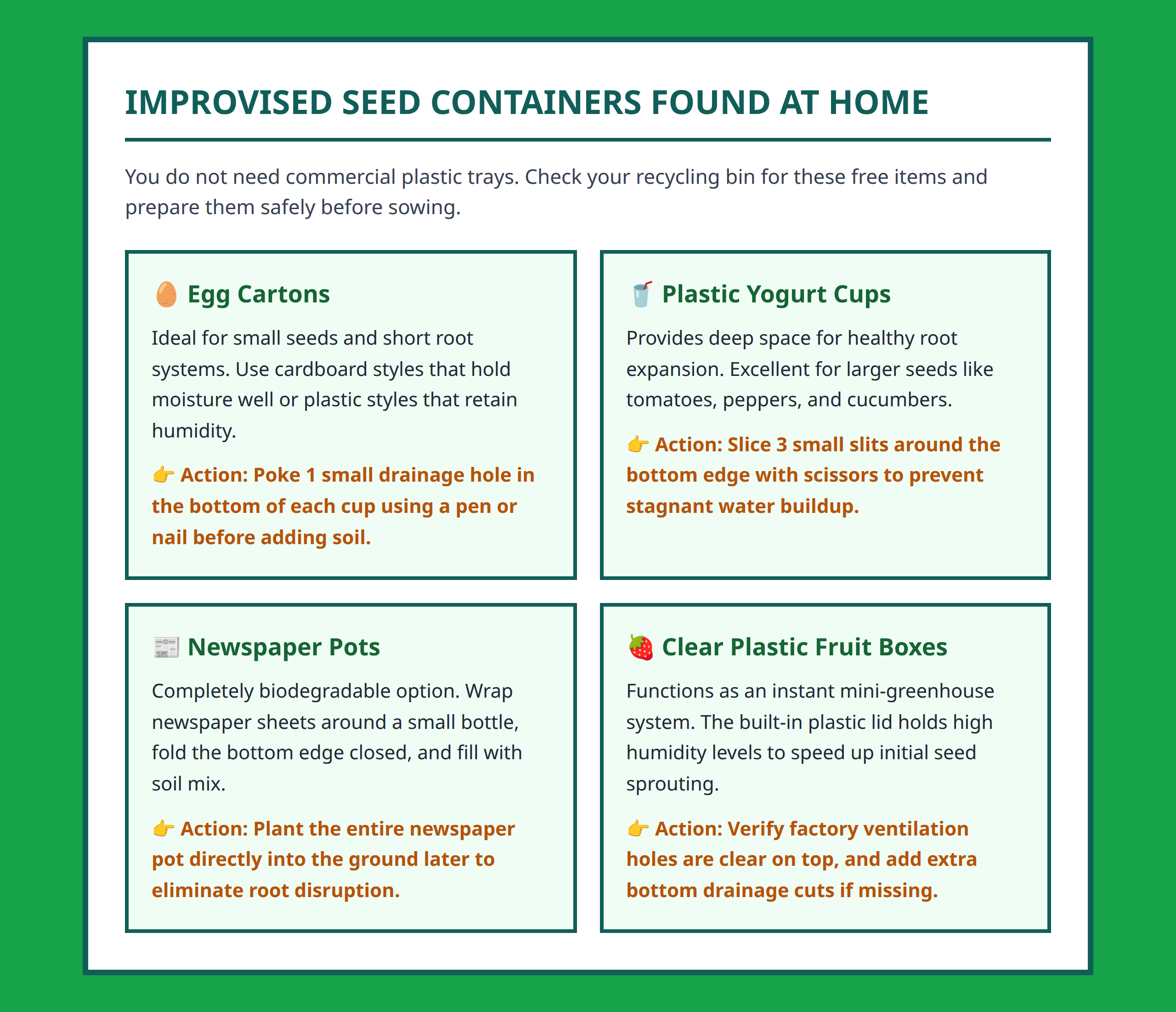
The first thing I would avoid is assuming seed trays need to be expensive.
Many common household containers can become practical propagation systems when drainage and airflow are handled properly.
I would look at:
- egg cartons
- yogurt containers
- plastic food trays
- reused punnets
- small foam boxes
The important part is not the container itself. The important part is controlling moisture without trapping too much water around the roots.
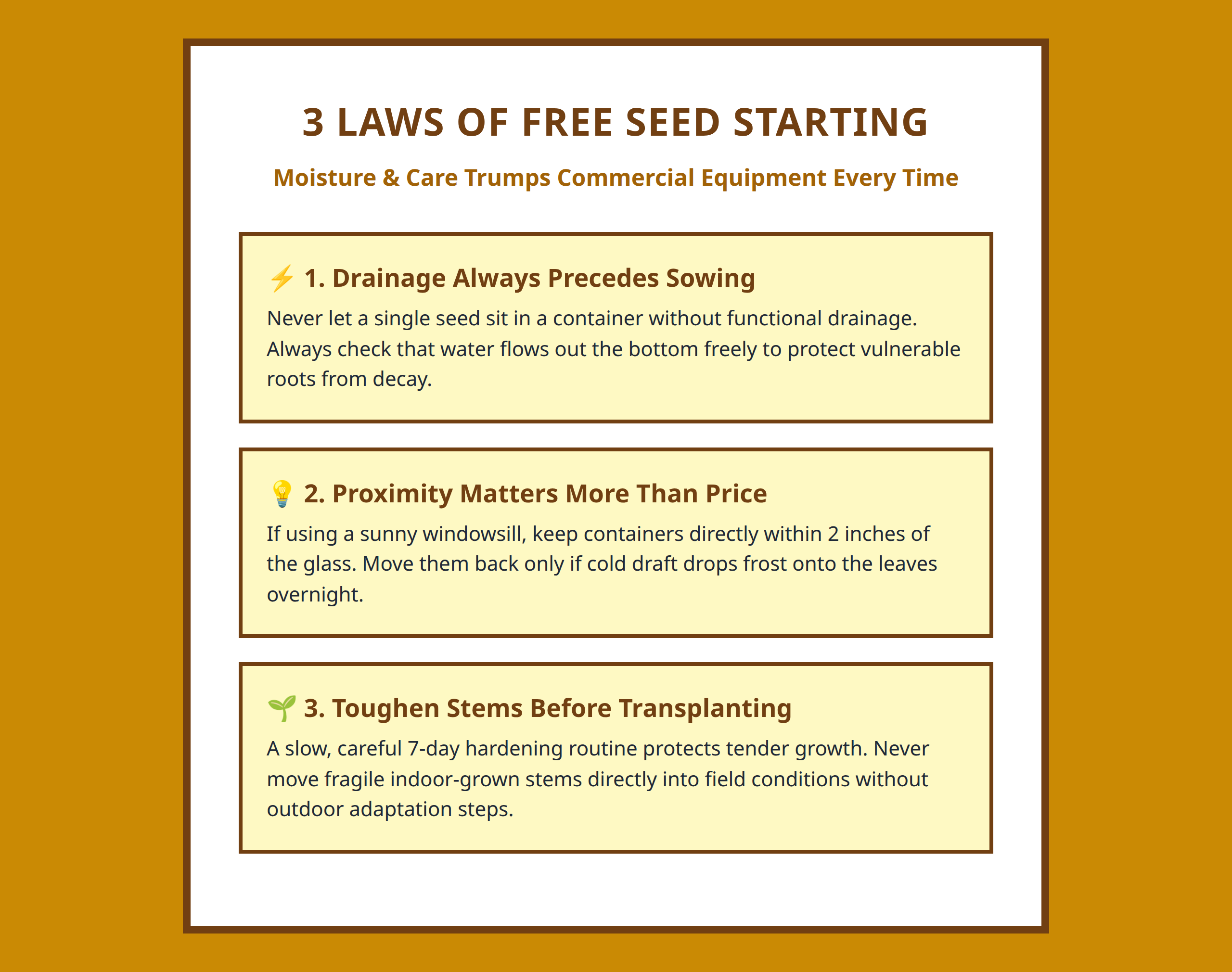
Drainage holes matter immediately here.
A seedling container without proper drainage may stay wet long enough to encourage rot, fungal growth, or weak root development.
I also think shallow containers sometimes work better than beginners expect because young seedlings do not initially need large root zones.
A common situation looks like this: someone buys oversized pots for tiny seedlings, waters heavily, and the mix stays cold and wet for too long. The roots struggle before the plant even establishes itself.
Seed-Raising Mix Should Stay Light and Open
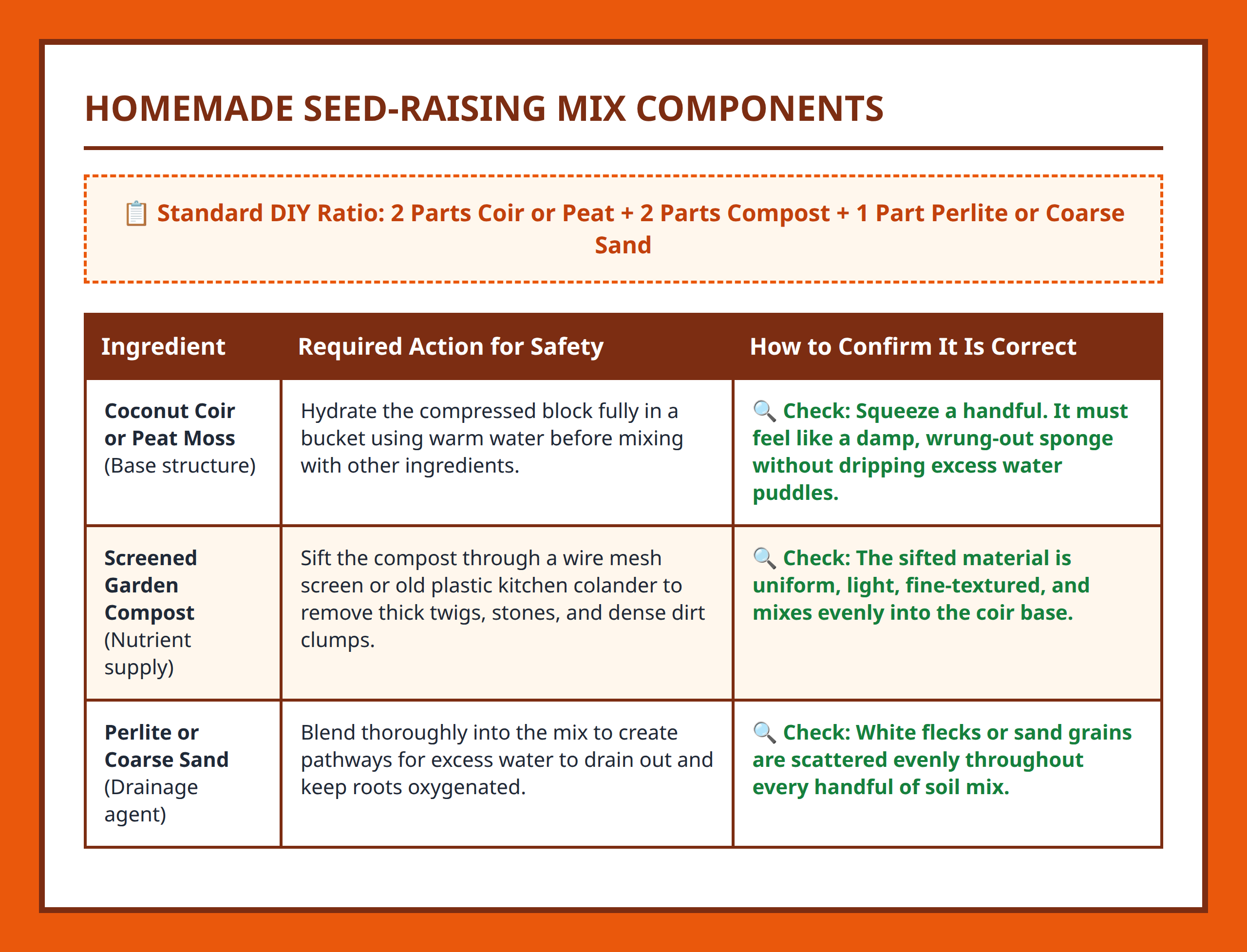
One of the easiest ways to damage seedlings is using heavy garden soil.
Young roots need oxygen and gentle moisture balance at the same time. Dense soil often compacts too easily and holds uneven moisture.
I would rather use a lighter homemade seed-raising mix that drains freely.
A practical low-cost mix can include materials such as:
- compost
- coir peat
- sand
- fine organic matter
The goal is not richness. The goal is structure.
Seedlings initially need stable moisture and room for delicate roots to spread.
I also pay attention to texture. Large chunks of undecomposed material can interfere with tiny roots and make moisture distribution uneven.
That becomes especially noticeable in small propagation trays where drying and wetting happen quickly.
Most Seedling Problems Start With Watering Mistakes
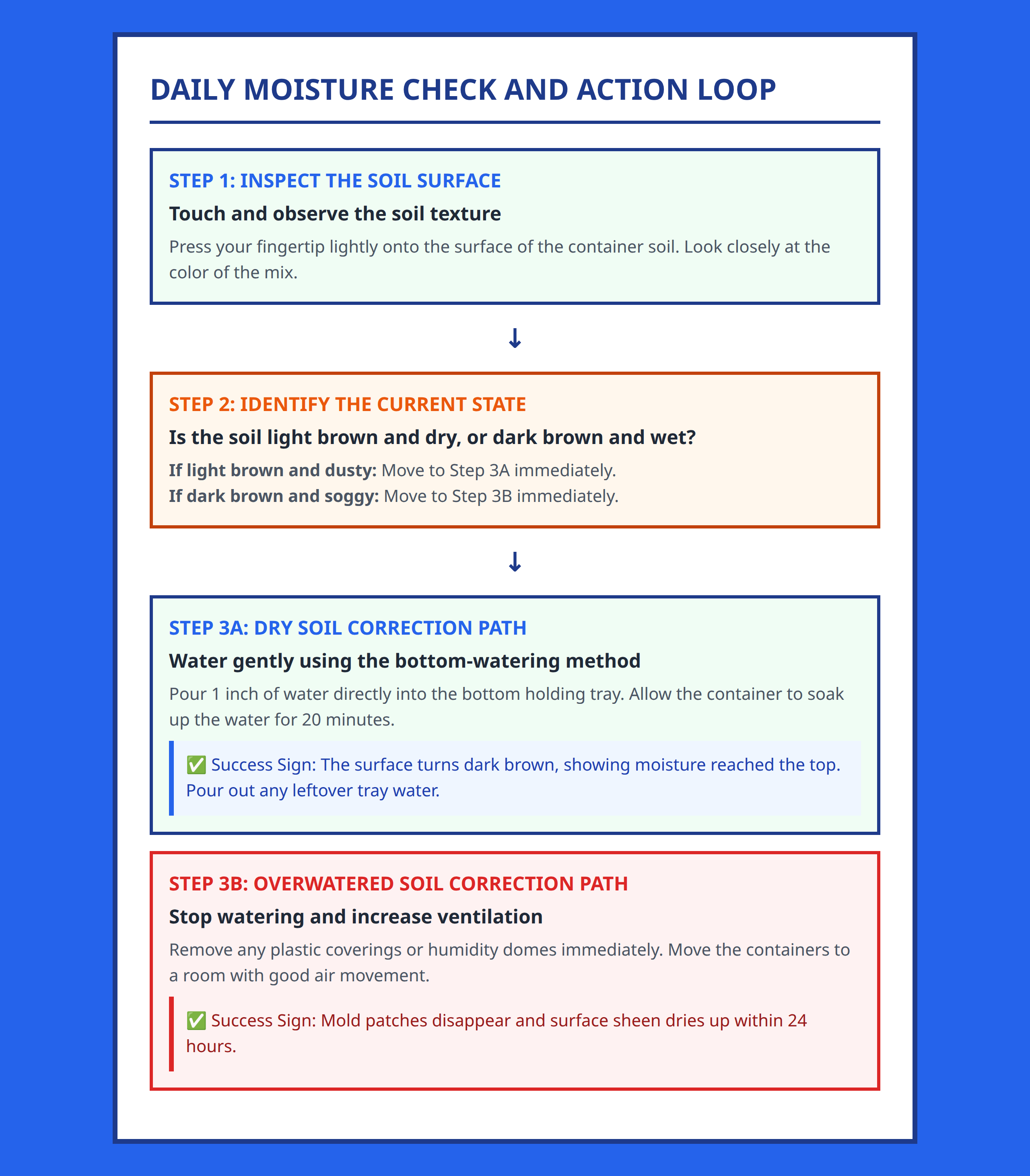
I think watering causes more beginner seed-starting failures than almost anything else.
People often react to small seedlings emotionally. The soil surface looks dry, so they water again. Then they water again the next morning because the seedlings still look fragile.
What actually happens underneath is very different.
Overly wet seed mix reduces oxygen around the roots and encourages fungal problems that young plants struggle to survive.
I would rather keep the mix evenly damp than constantly soaked.
This is where improvised propagation covers can help. Clear lids, plastic coverings, or enclosed trays help retain humidity during early germination, reducing the need for constant watering.
But airflow still matters.
Completely sealed propagation setups can trap excessive moisture and encourage mold if ventilation never improves.
That balance between moisture retention and airflow is one of the main things I would watch during early growth.
Sprouting Systems Work Best When They Stay Simple
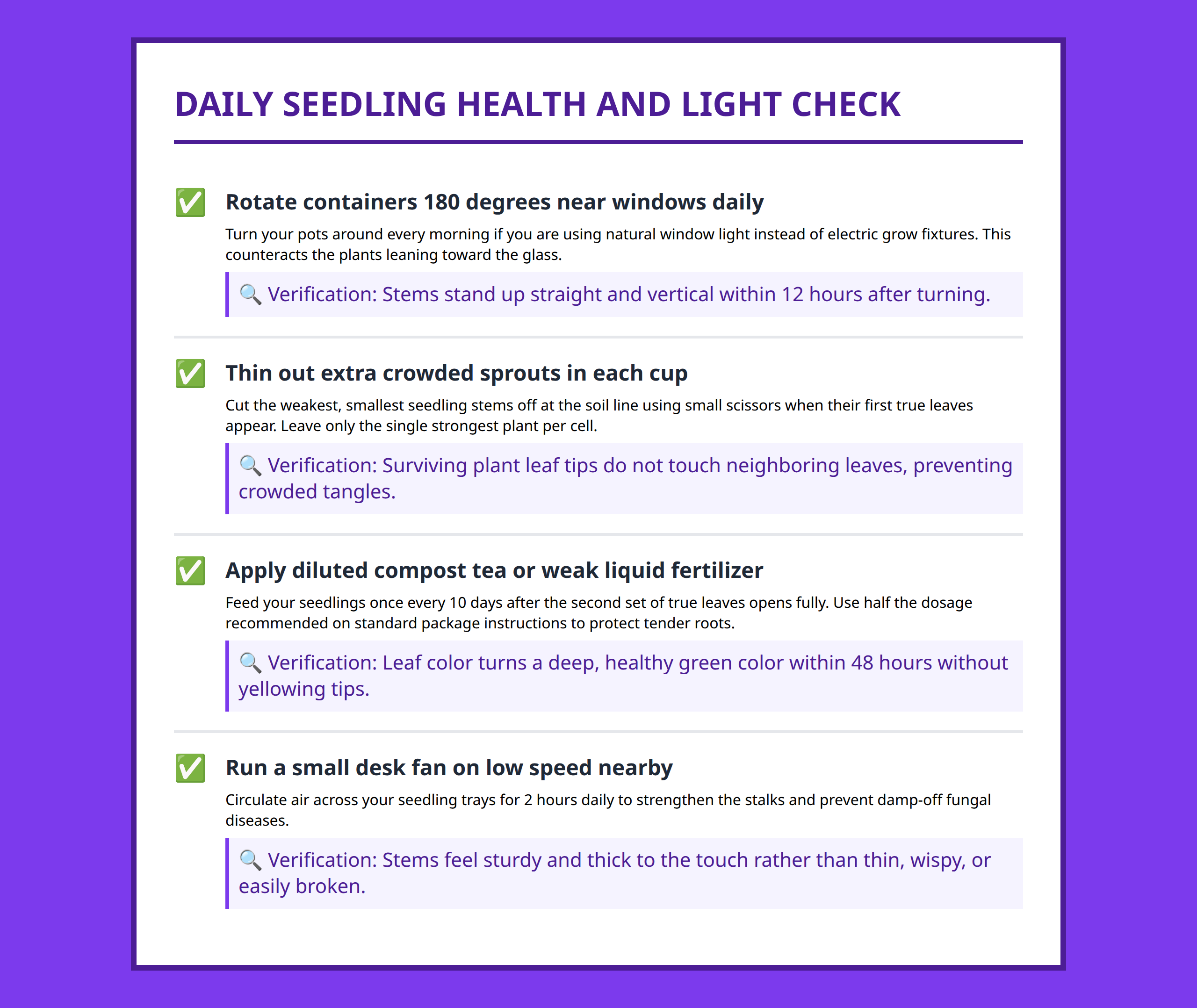
One thing I appreciate about low-cost propagation is how adaptable it becomes.
Simple sprouting systems can work surprisingly well when they focus on warmth, moisture, and drainage instead of appearance.
I would not assume every seed requires a dedicated propagation station.
Some seedlings germinate well in bright indoor spaces, sheltered outdoor corners, or reused foam boxes that retain stable warmth.
The practical question I keep asking is whether the environment stays stable enough for germination.
Sudden drying, overheating, or cold nighttime exposure usually matter more than whether the tray itself looks professional.
One realistic example is a windowsill setup where seedlings grow strongly during the day but stretch weakly toward limited light because the tray never rotates. Small adjustments like rotating containers or improving airflow often help more than buying new equipment.
Young Seedlings Need Gentle Feeding
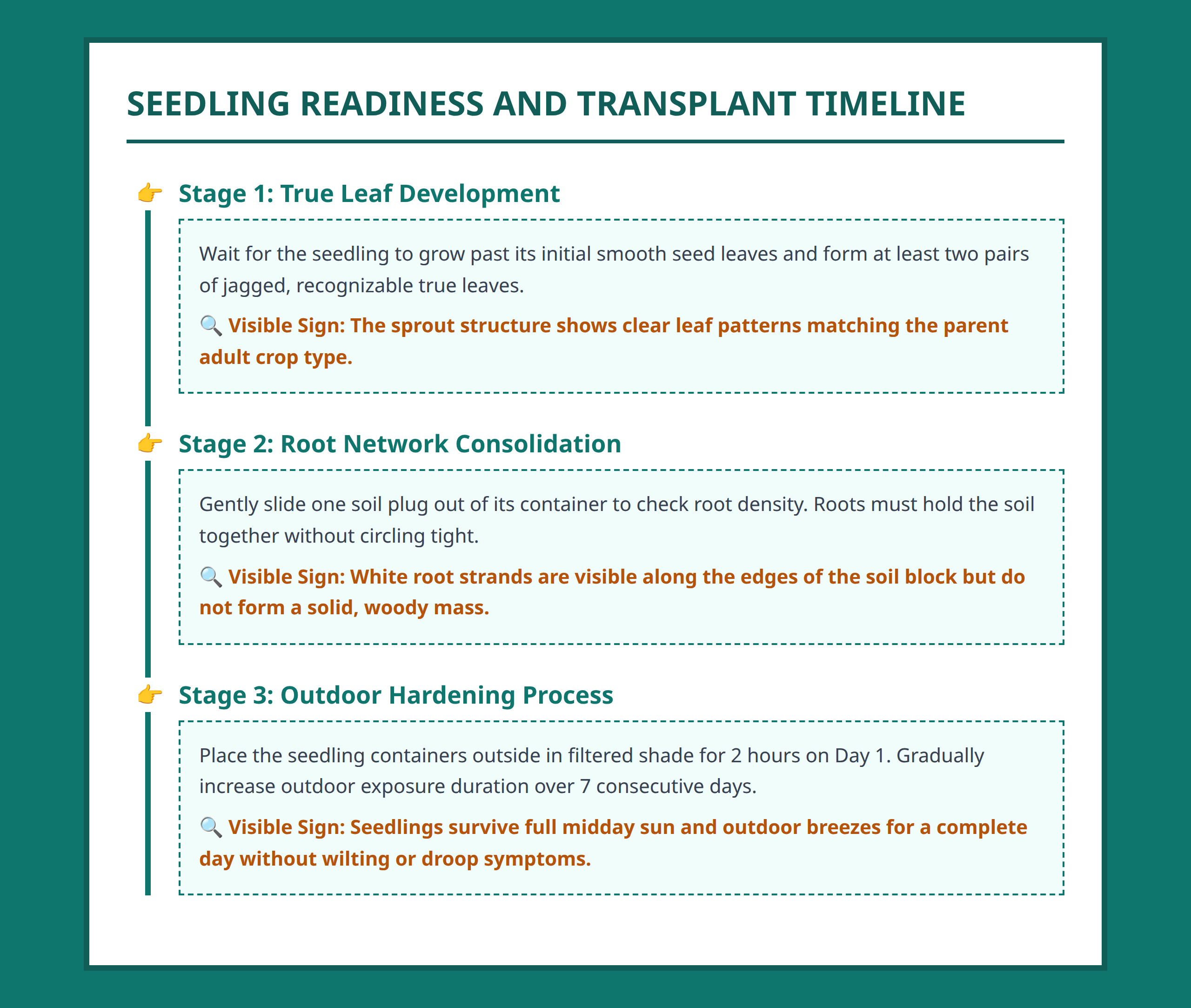
Once seedlings begin growing true leaves, nutrient management becomes more important.
I think beginners sometimes damage seedlings by feeding too aggressively too early.
Young plants are sensitive.
I would use diluted liquid feeding gently rather than strong fertilizer applications.
Worm tea and weak liquid organic feeds can help support steady growth without overwhelming delicate roots.
The goal at this stage is stable development, not rapid forced growth.
Weak, stretched seedlings often result from imbalance rather than lack of fertilizer alone. Light exposure, overcrowding, moisture, and airflow all affect seedling strength.
Transplant Timing Changes What Happens Next
Healthy germination does not automatically guarantee healthy plants later.
Transplant timing matters because seedlings eventually outgrow their early containers.
I would look for signs that roots and leaves are developing steadily before moving seedlings into larger spaces.
Moving seedlings too early can stress fragile roots. Waiting too long can create overcrowding and weak growth.
Hardening off also matters when seedlings move outdoors.
Young plants raised in protected environments need gradual exposure to sun, wind, and outdoor temperature changes.
A common beginner mistake is placing sheltered seedlings directly into full sun for an entire afternoon. Even healthy plants can scorch quickly under sudden exposure.
I would rather introduce outdoor conditions slowly over several days so the plants adapt without shock.
Good Seed Starting Usually Looks Less Complicated Than Expected
What I find most useful about low-cost seed starting is how much success depends on observation instead of equipment.
Healthy seedlings usually come from consistent moisture, light airflow, gentle feeding, and reasonable timing.
The containers themselves often matter far less than people expect.
When I look at struggling seedlings now, I usually stop asking what product is missing and start checking whether moisture, drainage, airflow, and timing are working together properly.
- Propagation: The process of growing new plants from seeds, cuttings, or other plant material.
- Seed-raising mix: A lightweight growing mix designed to support seed germination and early root growth.
- Coir peat: A natural fiber material made from coconut husks that helps retain moisture while staying airy.
- True leaves: The first mature leaves that appear after a seedling’s initial sprouting leaves.
- Hardening off: Gradually exposing seedlings to outdoor weather conditions before transplanting.
- Worm tea: A diluted liquid produced from worm farming systems that can be used as a gentle plant feed.
- Germination: The stage when a seed begins sprouting and starts developing into a seedling.
References:
- https://www.youtube.com/watch?v=-j5dgeRrl5c
- https://www.youtube.com/watch?v=IX3PxMbHUyM
- https://www.youtube.com/watch?v=cHO23cPR-ZA
- https://www.youtube.com/watch?v=vb1wM-Djjsg
- https://www.reddit.com/r/gardening/comments/10s06md/starting_seeds_indoors_with_minimal_technology/
- https://www.reddit.com/r/vegetablegardening/comments/zw3i6j/seed_starting_on_a_budget/
- https://gardenbetty.com/the-no-brainer-guide-to-starting-seeds-indoors/
- https://fromscratchfarmstead.com/starting-seeds-indoors-without-grow-lights/
- https://empressofdirt.net/low-cost-seed-starting-supplies/
- https://www.youtube.com/watch?v=aZMMhW9B-uA
- https://www.youtube.com/shorts/j9NKqVoH5JU
- https://www.youtube.com/shorts/PgMlf31Nll0
- https://www.youtube.com/shorts/dD8Z81P7NVs
- https://www.youtube.com/shorts/2IXxfZ3_h8A
- https://www.huntington.org/digital-classroom-resources/toilet-paper-roll-seed-starters
- https://ucanr.edu/blog/uc-master-gardener-program-statewide-blog/article/five-common-seed-starting-mistakes-and-how
- https://www.youtube.com/shorts/wp-n_EkLOQ4
