Growing vegetables in pots can save space and money, but container gardens become frustrating fast when drainage, potting mix, watering, and crop selection are ignored. Small practical decisions usually matter more than buying expensive containers or products.
I think container gardening gets advertised as simpler than it really is. People see a few herbs on a balcony or tomatoes in decorative pots and assume the process is mostly about planting and watering.
What actually determines success is how the container system behaves over time. Water movement, soil structure, pot weight, root space, sunlight, and drainage all interact constantly in ways beginners often do not expect.
Once I started treating pots like miniature growing systems instead of simple containers, a lot of common problems suddenly made sense.
Takeaways
- Drainage problems ruin more container gardens than lack of fertilizer.
- Potting mix behaves differently from normal garden soil.
- Large wet containers can become dangerously heavy on balconies.
- Some vegetables naturally perform better in pots than others.
- Slow, deep watering works better than quick surface watering.
Drainage Is the First Thing I Would Check
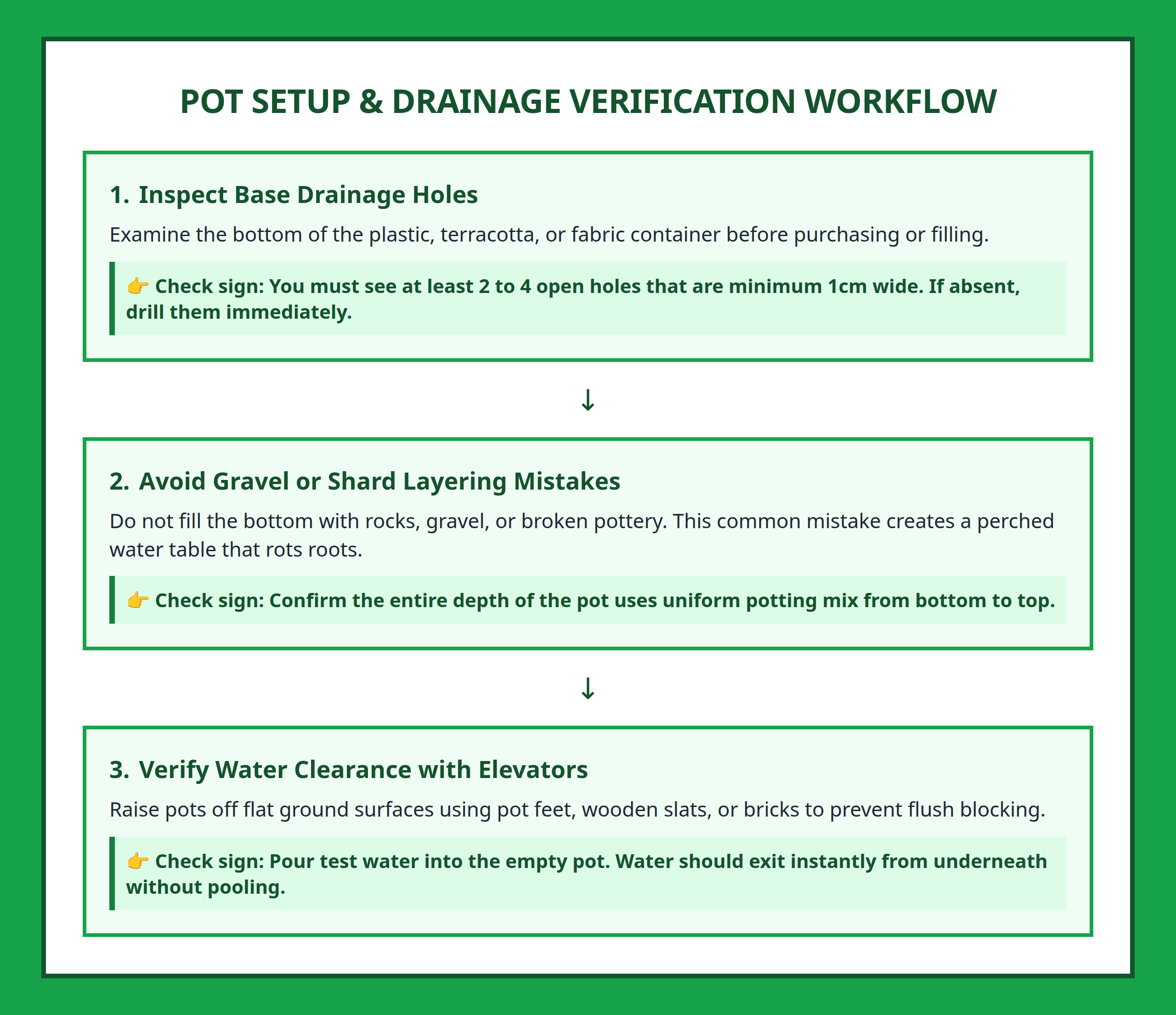
Most struggling container gardens are really drainage problems in disguise.
Vegetable roots need both moisture and oxygen. When water becomes trapped inside pots, roots lose access to air and plants begin weakening quickly.
This often starts quietly.
Leaves yellow slightly. Growth slows. Soil stays wet longer than expected. Beginners sometimes react by adding fertilizer even though the real problem is waterlogged roots.
That is why I would always check drainage holes before planting anything.
A container without proper drainage eventually turns into a holding tank rather than a growing environment.
I also pay attention to what happens underneath the pot. If water cannot escape freely because trays stay flooded or pots sit flat against sealed surfaces, drainage still becomes restricted.
One practical detail many people miss is pot height. Slightly elevating containers improves water escape and airflow underneath.
Potting Mix Matters More Than the Pot Itself
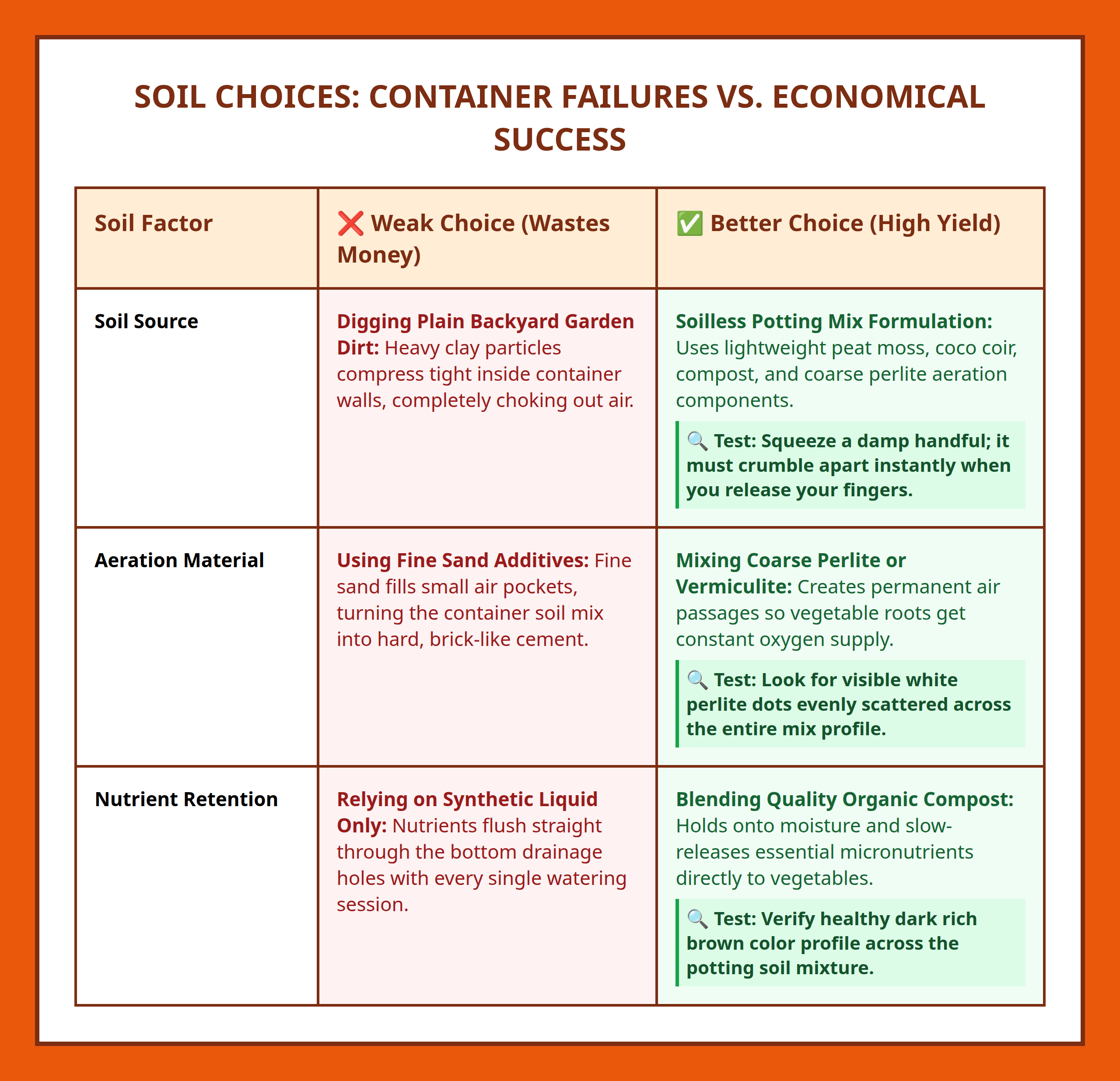
I think beginners often spend too much money on attractive pots and too little attention on what goes inside them.
Potting mix controls:
- water retention
- airflow
- drainage
- root development
- nutrient movement
Regular garden soil usually performs poorly in containers because it compacts too easily.
Once compacted, water movement becomes uneven and roots struggle to spread properly.
Container mixes are designed differently because pots behave differently from ground soil. Containers heat faster, dry faster, and restrict root movement more aggressively.
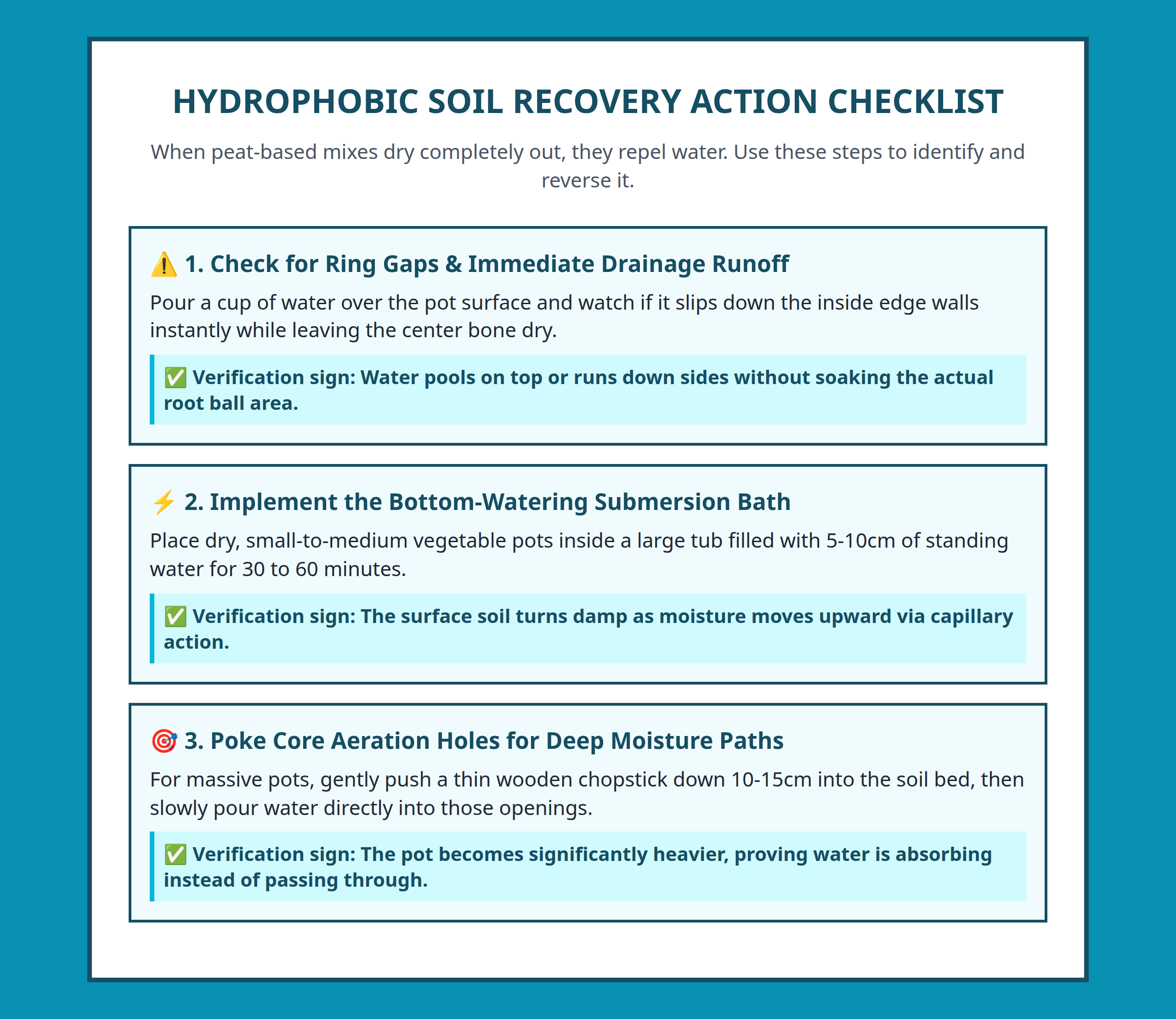
One issue I find especially important is hydrophobic potting mix.
When some potting mixes dry out completely, they start repelling water instead of absorbing it. Water runs down the inner edge of the pot while the root zone stays dry underneath.
This creates a confusing situation where the surface looks wet but the plant still struggles.
Slow soaking usually fixes the problem better than repeated quick watering.
Heavy Pots Become a Real Problem on Balconies
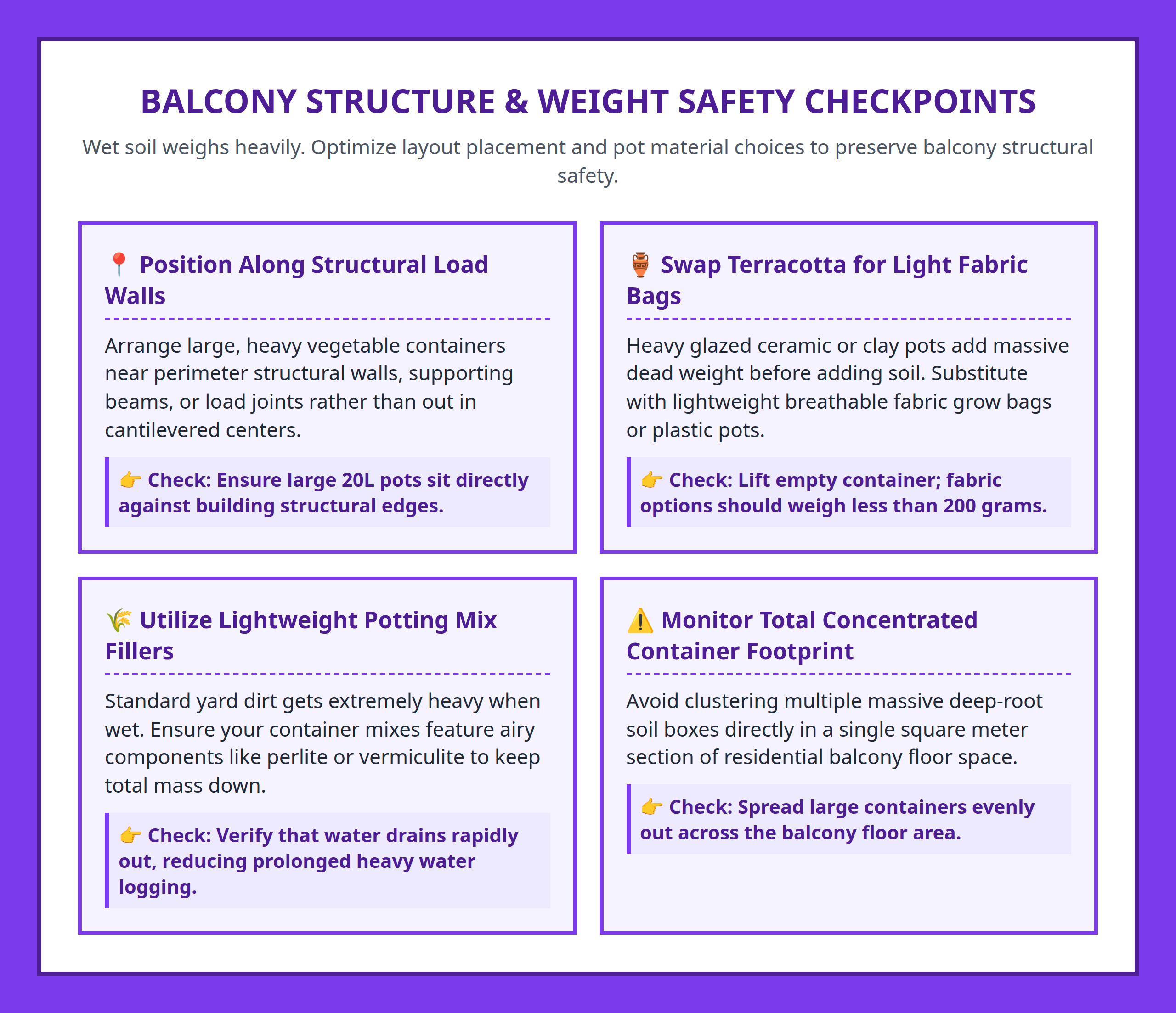
Container gardening guides sometimes ignore a very practical issue: weight.
Large containers filled with wet soil become extremely heavy.
That matters in apartments, balconies, rooftops, and compact patios where structural load limits may exist.
I would think carefully before filling several oversized ceramic pots with saturated soil on an upper-floor balcony.
Lightweight containers often make more sense in those situations, especially when they still provide enough root depth for edible crops.
Mobility matters too.
A movable pot allows better sunlight management and seasonal repositioning. A container that becomes impossible to move after watering limits flexibility quickly.
Small-space edible gardening usually works better when containers can adapt to changing conditions.
Not Every Vegetable Is Worth Growing in Pots
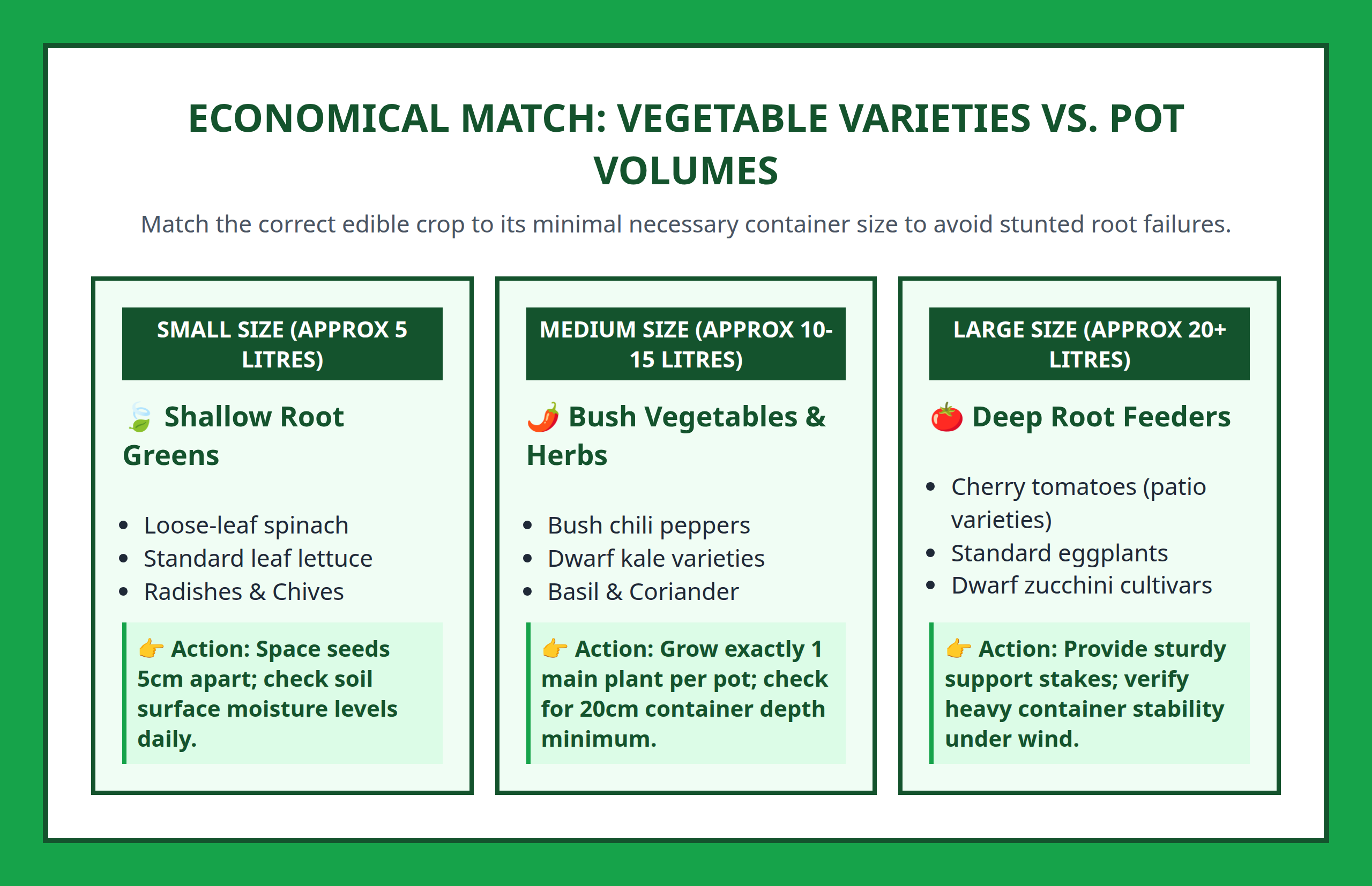
One of the easiest ways to waste money in container gardening is choosing crops poorly.
Some vegetables naturally adapt to pots. Others become frustrating, water-hungry, or unproductive in limited root space.
I would prioritize crops that give strong returns for the space and maintenance required.
Good container candidates often include:
- herbs
- lettuce
- spinach
- chilies
- compact tomatoes
- beans
- spring onions
Plants that climb vertically can become especially efficient because they use upward space instead of consuming floor area.
Meanwhile, large sprawling crops may demand oversized containers, heavy watering, and constant feeding while producing relatively little in return.
I think beginners save both money and frustration when they match crop choice to container reality instead of trying to force every vegetable into pots.
Watering Problems Usually Come From Inconsistency
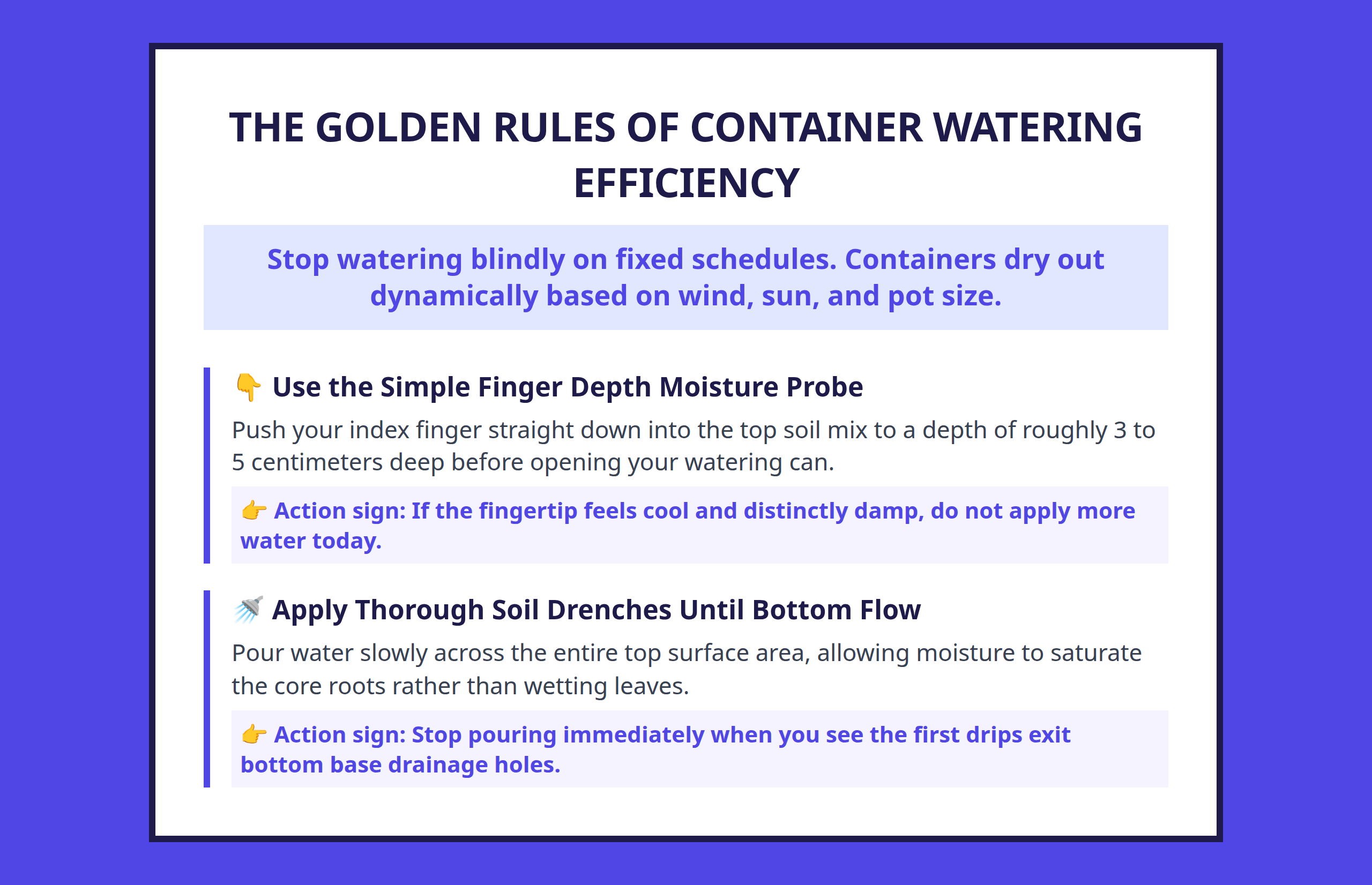
Container gardens dry out faster than ground gardens because exposed pots heat up quickly and lose moisture from all sides.
That creates a common cycle:
- soil dries too much
- plants wilt
- the gardener overwaters suddenly
- roots stay stressed
I would rather water deeply and consistently than lightly every few hours.
Deep watering encourages roots to spread through the container instead of clustering near the surface.
Mulch also helps more than many people expect.
Even a small mulch layer reduces evaporation and helps stabilize soil moisture inside pots.
A practical example is a sunny balcony where black containers absorb intense afternoon heat. Without mulch, the potting mix may dry rapidly every day. With mulch and slower watering, moisture stays more stable and plants become easier to manage.
Combining Plants Can Make Containers More Efficient
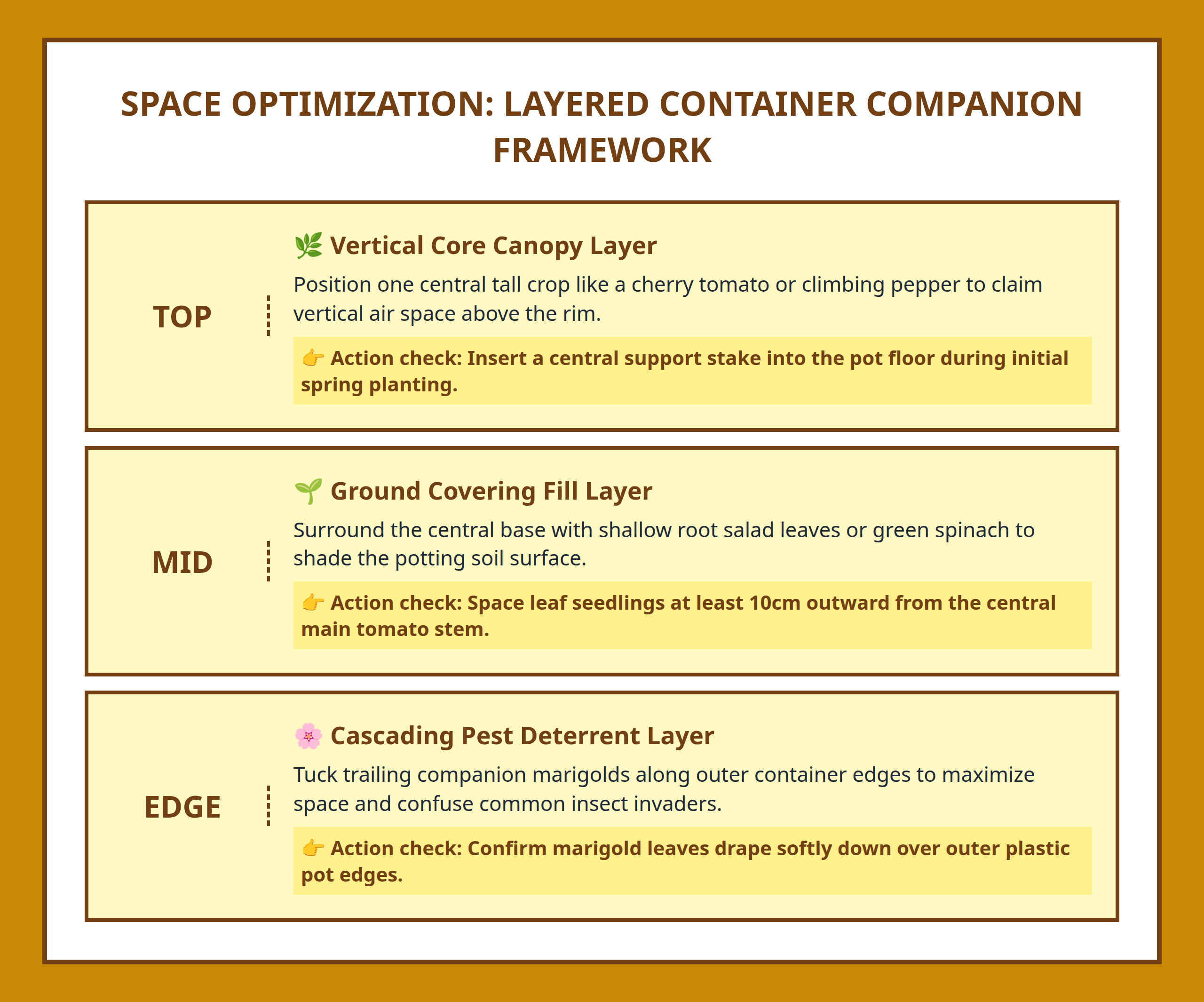
Container gardens become more productive when plants share space intelligently.
I would think about plant shape, root depth, and growth speed before combining crops.
For example:
- herbs can occupy container edges
- leafy greens can grow beneath taller plants
- vertical crops free up lower space
The goal is not overcrowding.
The goal is reducing wasted space while still maintaining airflow and access to light.
One useful detail is that fast-growing crops can fill temporary gaps while slower plants establish themselves.
That makes containers feel more productive throughout the season instead of sitting half-empty for weeks.
Cheap Container Gardening Usually Comes Down to Better Systems
I think many beginners assume successful container gardening requires expensive pots, premium fertilizers, or constant upgrades.
Most of the time, the bigger gains come from improving the system itself.
Better drainage, smarter crop selection, stable watering, lightweight containers, healthy potting mix, and efficient use of vertical space all reduce waste over time.
Once those basics are working together, container gardening becomes less reactive and much more productive.
When I look at struggling pot gardens now, I usually stop asking what product is missing. I start asking whether the container system is helping the plant or quietly working against it.
- Hydrophobic potting mix: Potting mix that has dried so much it begins repelling water instead of absorbing it.
- Drainage: The movement of excess water out of a container to prevent roots from staying waterlogged.
- Potting mix: A lightweight growing medium designed for containers rather than in-ground gardening.
- Root rot: Damage caused when plant roots stay too wet and lose access to oxygen.
- Mulch: A protective layer placed on top of soil to reduce moisture loss and stabilize temperature.
- Vertical growing: Training plants upward on supports to save space and improve productivity.
- Container gardening: Growing plants inside pots, boxes, or other movable growing containers.
References:
- https://www.youtube.com/watch?v=HQTPDs6dvEI
- https://www.youtube.com/watch?v=Ov6cChHOoZQ
- https://www.youtube.com/watch?v=JQNrfMT8Dhw
- https://www.youtube.com/watch?v=1MOBOWqs_Fg
- https://www.reddit.com/r/nzgardening/comments/16fr5bc/some_advice_with_vege_gardening_in_pots_please/
- https://www.reddit.com/r/vegetablegardening/comments/lobeig/i_want_to_garden_in_pots_this_year_in_case_i_move/
- https://lovelygreens.com/container-vegetable-gardening/
- https://northerngardener.org/growing-vegetables-in-containers/
- https://everti.com.au/blogs/news/grow-vegetables-in-pots
- https://www.milkwood.net/2021/12/06/no-dig-pots-for-veggies/
- https://www.theseedcollection.com.au/blog/gardening-on-a-budget
- https://www.growveg.com.au/guides/how-to-grow-vegetables-in-containers/
- https://www.1millionwomen.com.au/blog/tips-successfully-growing-vegetables-containers/
- https://perfectpots.com/blogs/news/what-should-i-put-in-the-bottom-of-my-planter-spoiler-it-s-not-rocks
